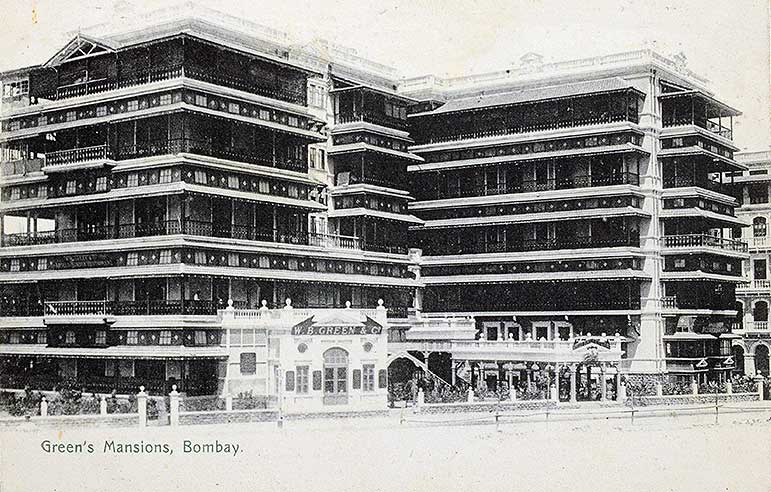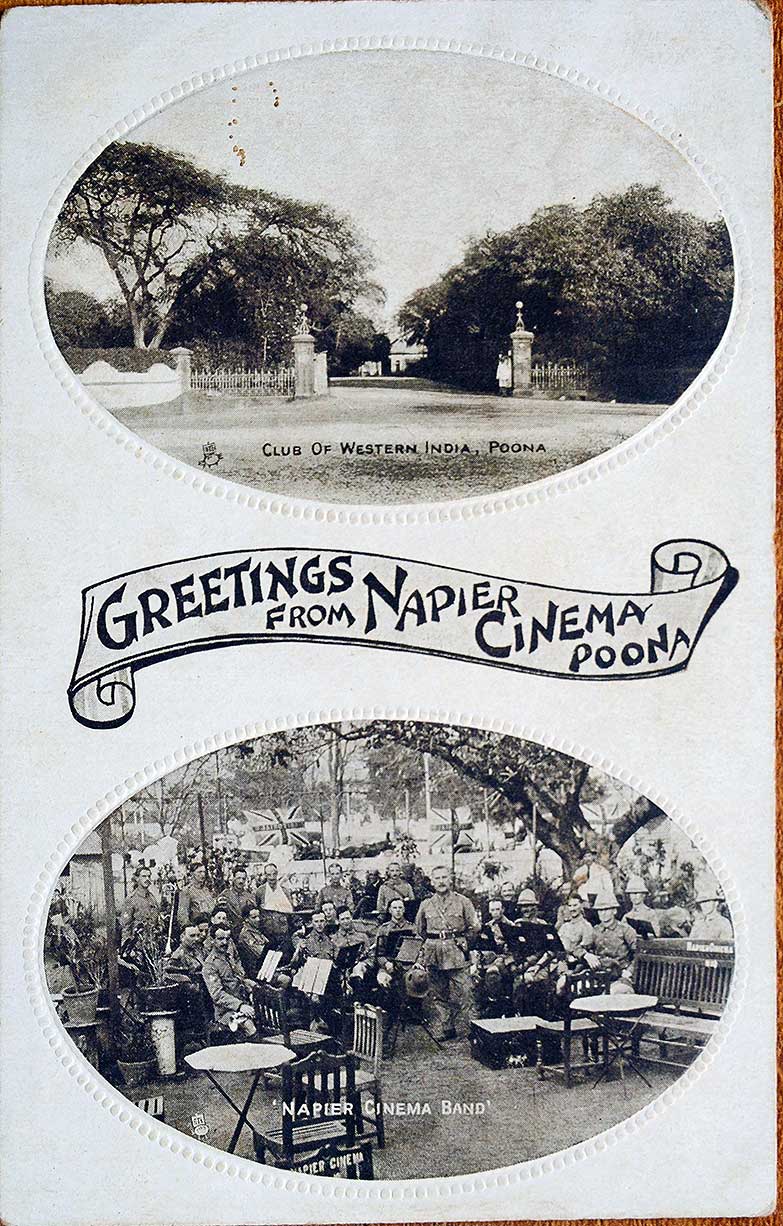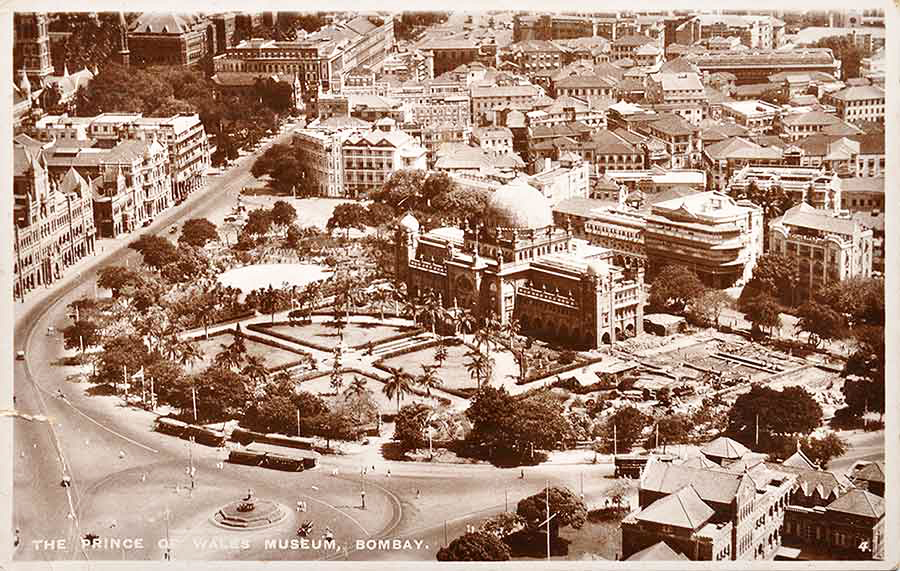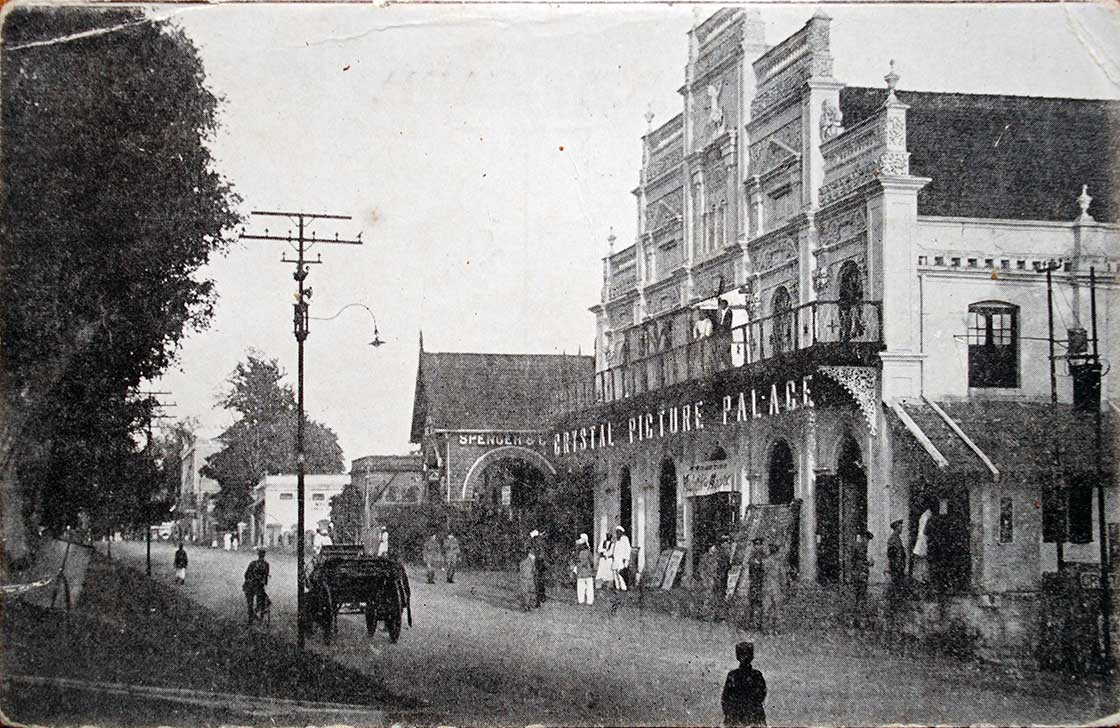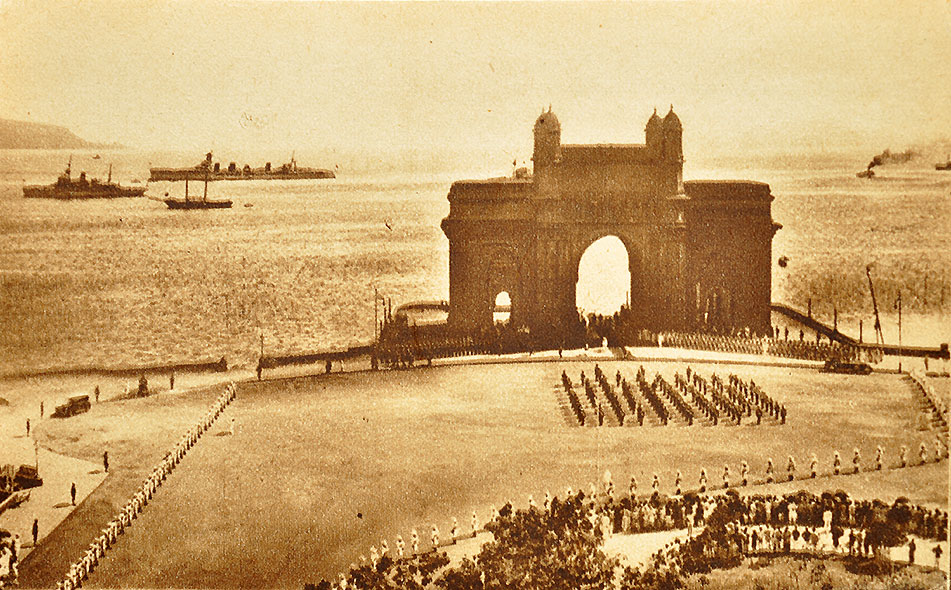
Colaba Green And The Cotton Boom In Bombay, 3 Postcards 1900


Three 1900s postcards of Cotton Green at Colaba in Bombay during the British era. Colaba, today known for its iconic seaside promenade, colonial architecture, and vibrant marketplaces, once played a crucial role in the economic transformation of 19th-century Bombay (Mumbai). During the British era, a significant part of Colaba was referred to as “Colaba Green”, a spacious, semi-rural expanse that became closely linked with the city’s thriving cotton boom. This period not only reshaped Bombay’s urban landscape but also transformed it into one of the world’s leading centers for the cotton trade.
Before massive land reclamation and urbanization, Colaba was a quieter southern tip of Bombay, accessed by a causeway built in 1838. The area was renowned for its lush greenery, expansive grounds, military establishments, and European-style residential quarters.
Colaba Green was a wide, open stretch used for community gatherings, social events, military parades, and recreation. Its strategic proximity to the harbour, docks, and emerging commercial zones made it an important location during the cotton boom that swept across Bombay in the mid-1800s.
Between 1861–1865, the American Civil War disrupted cotton exports from the Southern United States. Europe, especially the British textile industry, desperately needed an alternative.
Cotton merchants, middlemen, European traders, and Indian financiers saw unprecedented opportunities. Cotton prices skyrocketed almost overnight, and Bombay’s port became one of the busiest globally.
The cotton boom created legendary business magnates such as Premchand Roychand, Jamsetji Jejeebhoy, David Sassoon, and Jamsetji Tata.
With Bombay’s commercial district expanding rapidly, Colaba emerged as a desirable residential suburb. Many prosperous cotton traders and officials chose to settle here.
By the late 1860s, the American Civil War ended, U.S. cotton returned to global markets, and Bombay’s cotton bubble burst dramatically.
Merchants suffered losses, mills closed, and speculative ventures collapsed.
However, the urban development and real estate transformation triggered by the boom had permanently reshaped Colaba.
Today, while Colaba Green no longer exists as a distinct open field, its legacy survives in the area’s colonial layout, architecture, and historical importance.
The cotton boom turned Bombay into:
-
a global financial center
-
The birthplace of powerful industrial families
-
a magnet for migrants and workers
-
a thriving hub of architecture and civic development
Colaba’s evolution from a quiet green stretch to a bustling urban center is an often-forgotten, yet deeply significant, chapter of Mumbai’s growth story.
Did you know – this was the era before the Colaba Causeway (1838) effectively connected Colaba to the main island. Before this engineering feat, high tides regularly turned the stretch between Colaba and Bombay into a semi-isolated strip of land.
Past posts – Bombay Songstress Model For Ravi Varma’s Painting, 1900 PC., Early Aviation, First Flight From England To India – 2 Prints 1919., Pamban Railway Bridge Washed Away By Cyclone, 1964 Photo., Glimpse of British East India Company In Howrah, Calcutta,1860