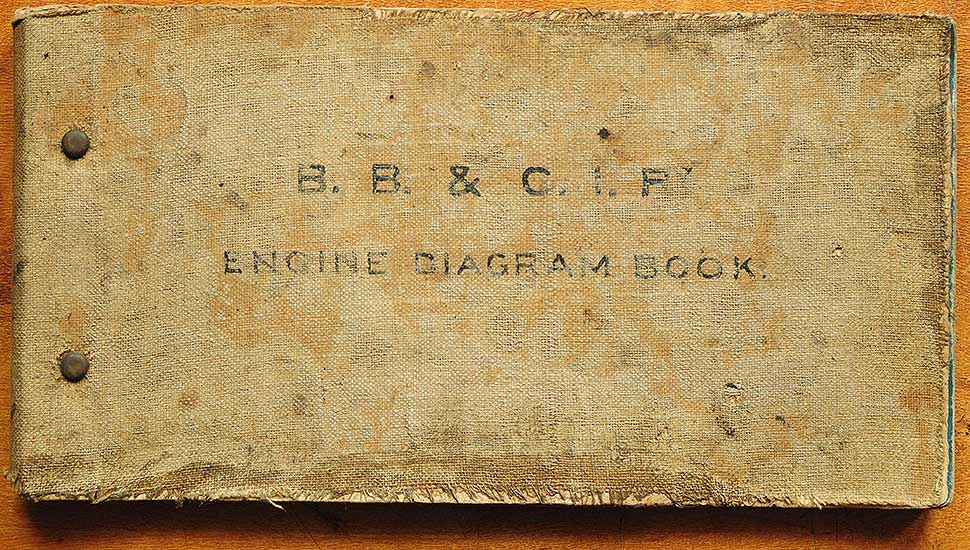
Great Indian Peninsula Railway Train At Bombay Port, 2 Photos 1927
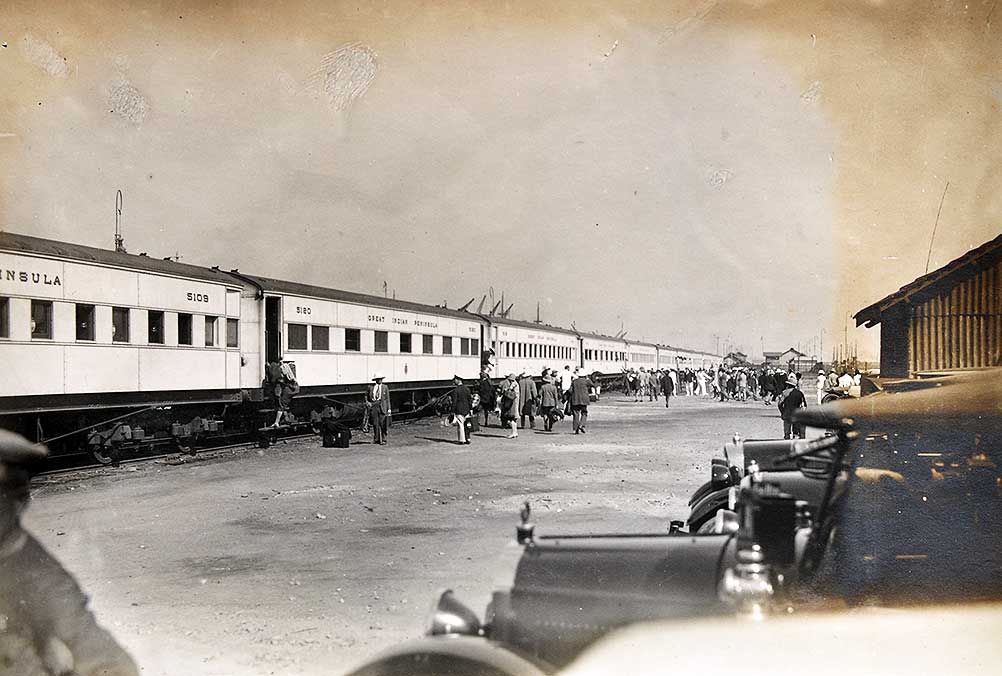
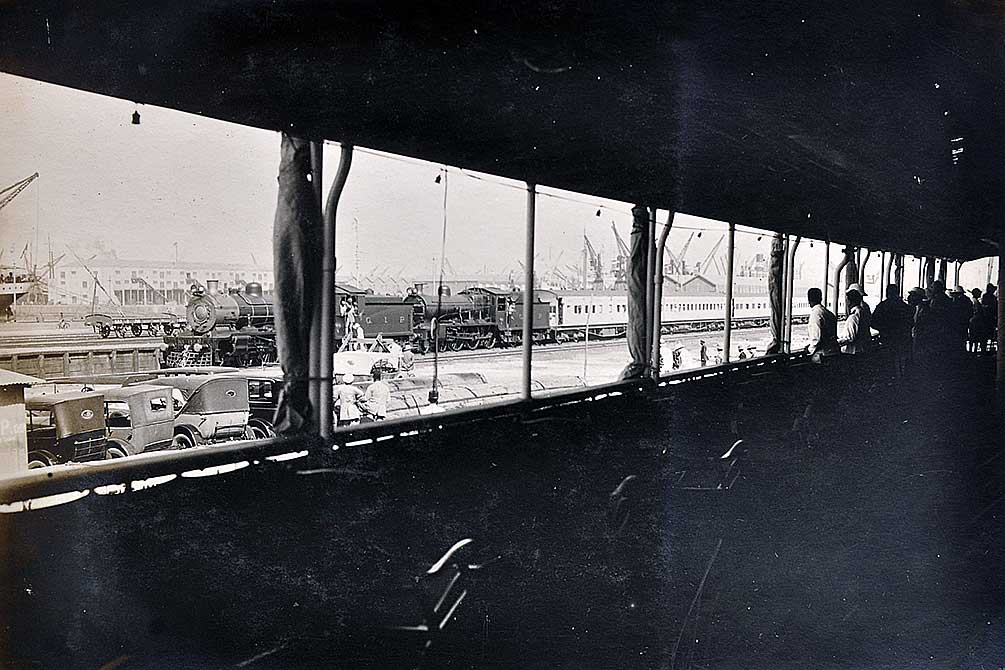
Two rare 1927 photographs offer fascinating glimpses of a Great Indian Peninsula Railway train (GIPR) at Ballard Pier Mole Railway Station, Bombay (Mumbai). The photographs capture the Imperial Indian Mail, one of British India’s most prestigious express train services, operated by the Great Indian Peninsula Railway (GIPR).
The first photograph shows European passengers in 1920s attire walking alongside the train, while porters handle their luggage. The second photograph appears to have been taken beneath a ship’s deck awning, where passengers watch the train from the railing. Parked motorcars, dock buildings, and cranes in the background highlight the close connection between Bombay’s port and railway.
The location was possibly Ballard Pier or nearby Alexandra Dock (now Indira Dock), where ocean liners berthed alongside railway sidings.
Introduced in 1926, the luxury Imperial Indian Mail train linked European steamer passengers arriving in Bombay with the vast railway network stretching across India. After disembarking from steamers, passengers could transfer to the waiting train for their onward journey towards Calcutta (Kolkata).
The train travelled from Bombay to Calcutta via Kalyan, Igatpuri, Bhusawal, Itarsi, Jabalpur, Allahabad and Gaya before reaching Howrah. Its journey involved the Great Indian Peninsula Railway and the East Indian Railway, which jointly operated this prestigious service.
This remarkable sea-and-rail connection made international travel much more convenient, linking sea routes with colonial India’s vast railway networks. Ballard Pier consequently became an important gateway for British officials, military personnel, businessmen, tourists and their families arriving in India or returning home to England or Europe.
Did you know- the Imperial Indian Mail was exceptionally fast for its time. It took around 1 day 16 hours from Bombay to Calcutta. It was a weekly service, timed around the arrival and departure of P&O steamships.