1930 BB&CI Railway Engine Diagram Book: British India Locomotives

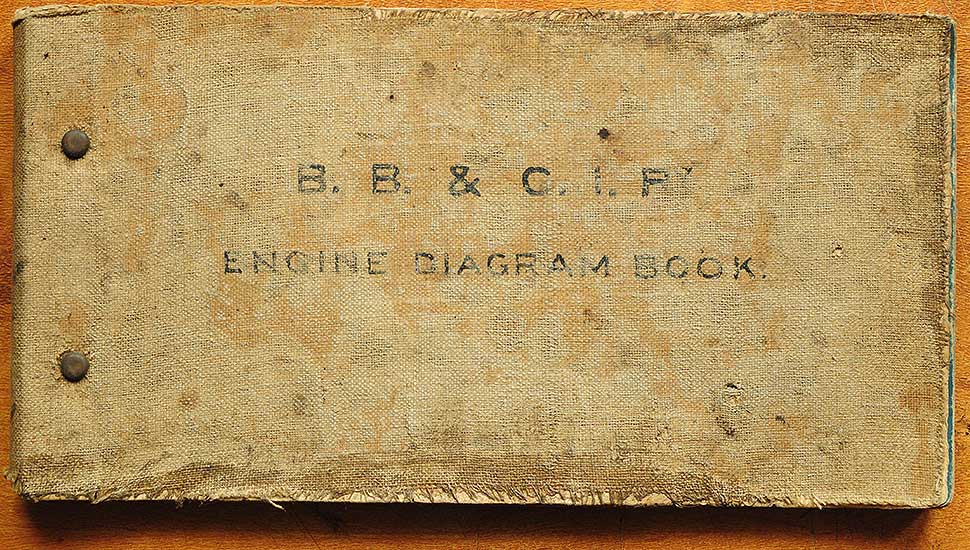
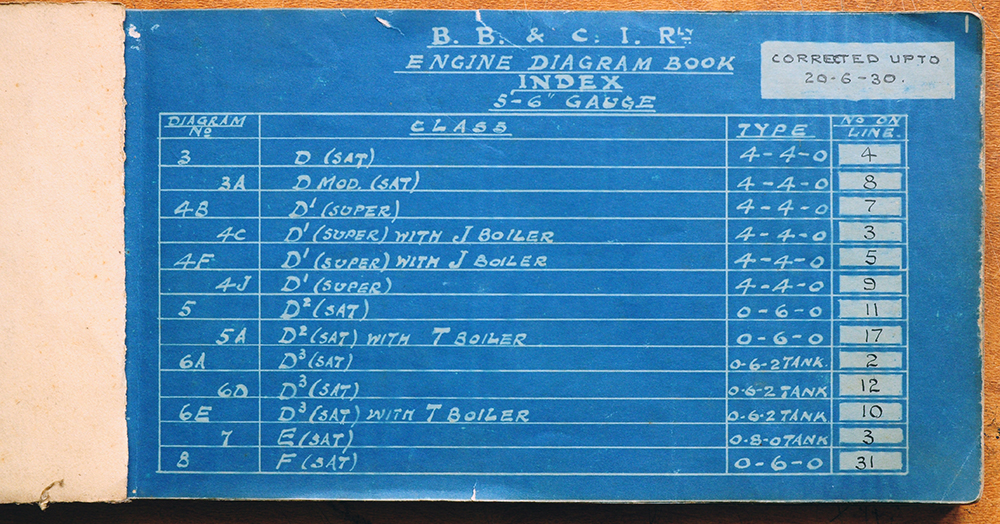
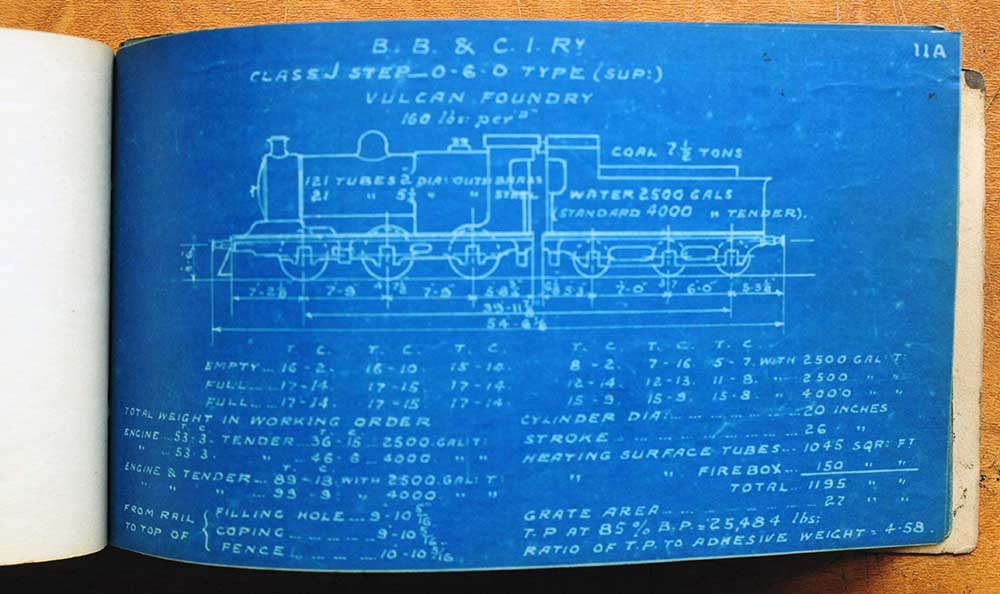
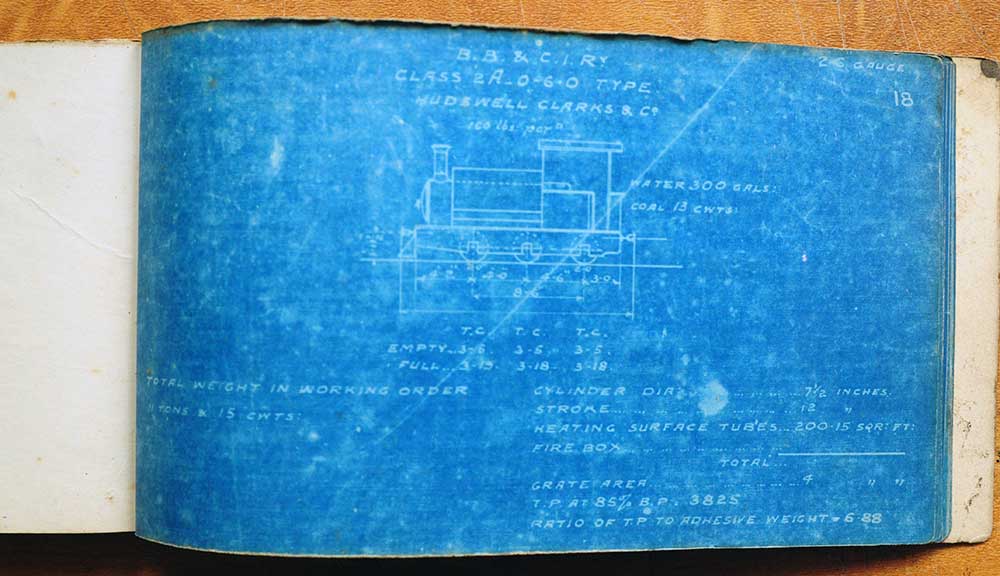
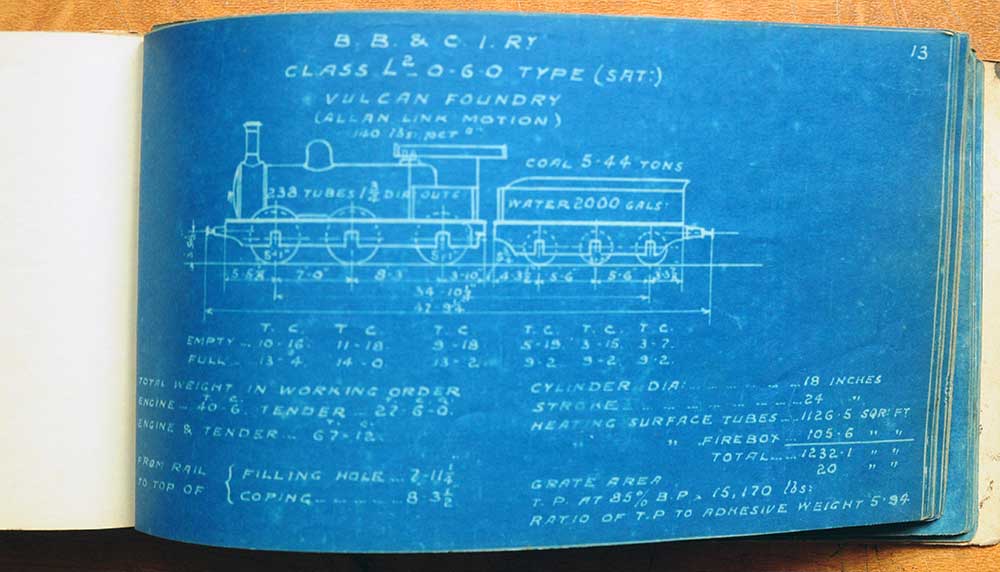
This remarkable 1930 BB&CI Railway Engine Diagram Book provides a fascinating technical glimpse into the locomotives that operated on the Bombay, Baroda & Central India Railway (BB&CI) during the British period in India. The compact cloth-bound volume contains 25 pages of detailed engine diagrams, each documenting individual locomotive classes and providing a detailed record of engineering information.
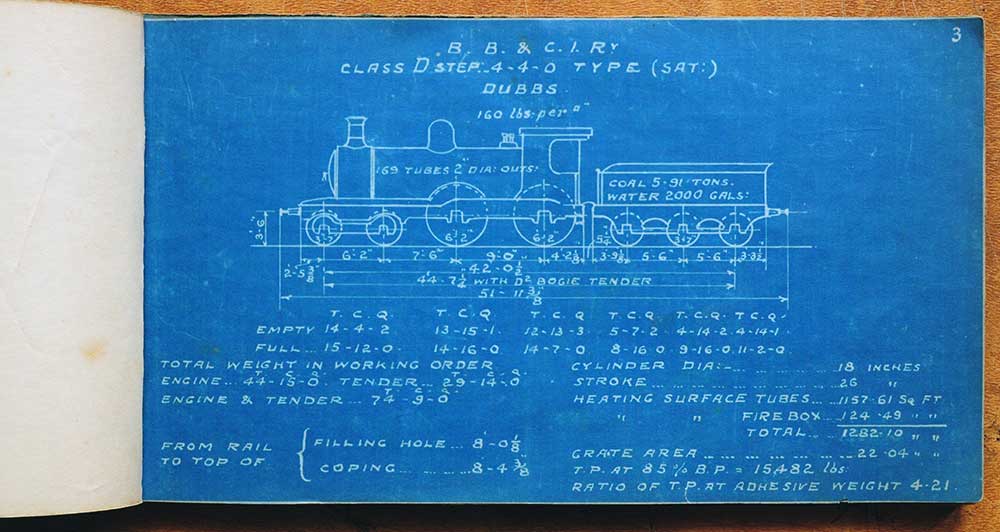
The blueprint sheets record wheel arrangements, dimensions, locomotive weights, cylinder measurements, boiler and heating-surface details, coal and water capacities, tractive effort and other specifications. The diagrams illustrate a variety of locomotives, including 4-4-0, 0-6-0 and several other locomotive types. It also identifies British manufacturers such as Dubs & Co., Vulcan Foundry and so on.
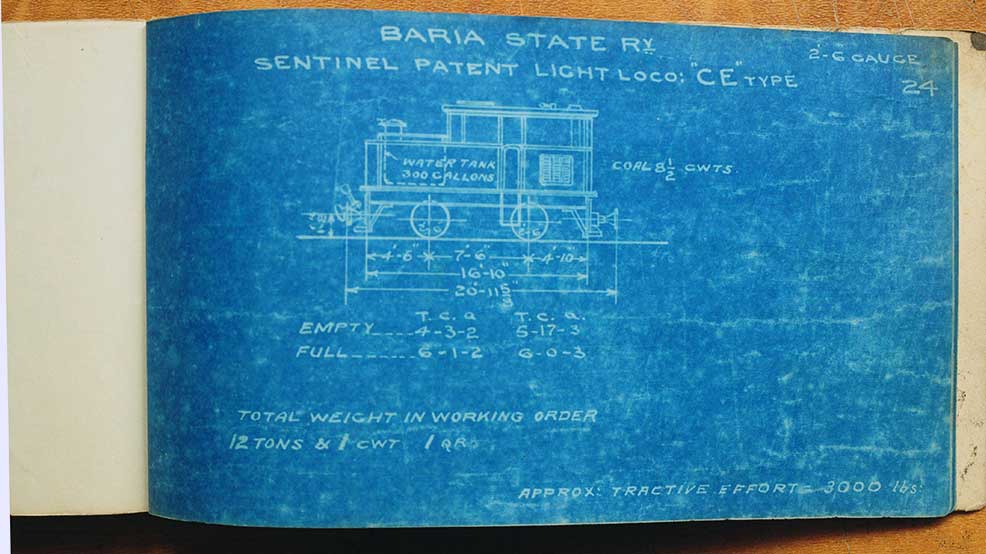
The book includes diagrams for locomotives associated with other lines, such as the Baria State Railway, showing how the BB&CI’s engineering records could encompass locomotives worked for or associated with Indian princely-state railways. One of the pages records a Sentinel Patent Light Locomotive belonging to the Baria State Railway.
More than illustrations, these 25 technical plates were practical engineering references, recording the precise characteristics needed to operate, maintain, and classify locomotives across the railway system. It is a working technical record of the locomotive fleet of the Bombay, Baroda & Central India Railway (BB&CI).
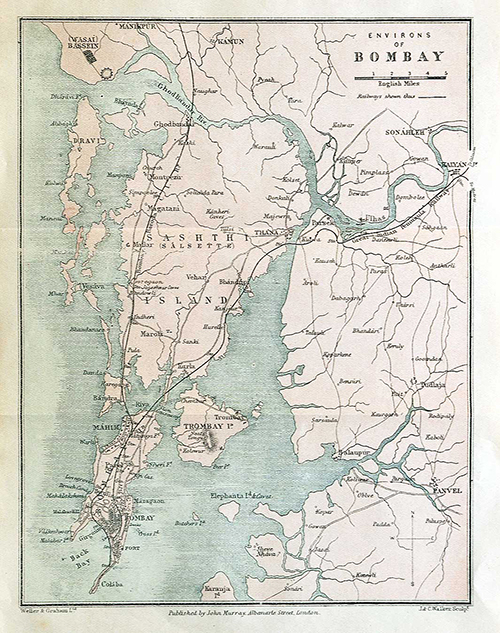
Did you know– the BB&CI helped create Bombay’s (Mumbai’s) suburban railway. Its suburban service began in 1867, running between Virar and Bombay Backbay/Colaba, making it one of the earliest suburban railway services in India. On 5 November 1951, the BB&CI was merged with several other railway systems to form Western Railway (WR).