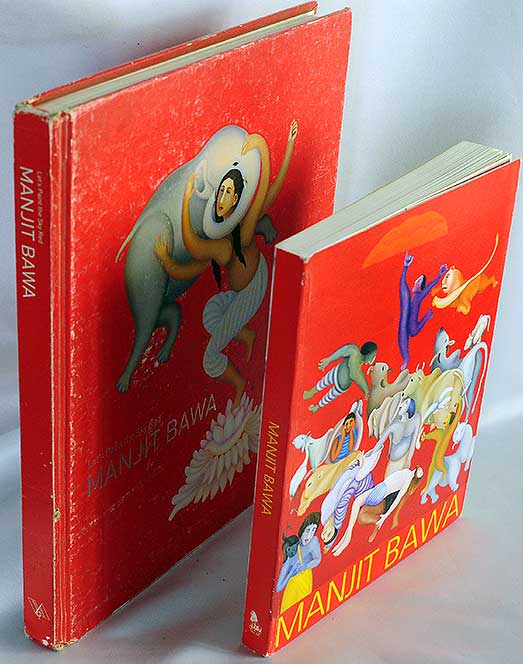
2 Books on Indian Artist Manjit Bawa: Manjit Bawa & Let’s Paint the Sky Red
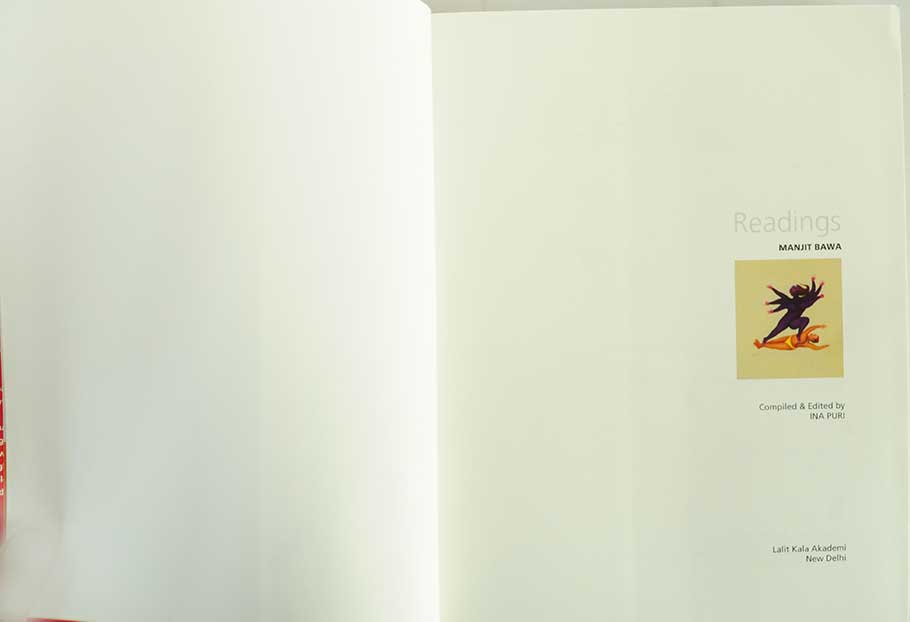
Titles – 1. Manjit Bawa- Compiled and edited by Ina Puri, & 2. Let’s Paint The Sky Red- Essay by Kalidas
Publishers – 1. Lalit Kala Academy, New Delhi; 2. Vadhera Art Gallery, New Delhi
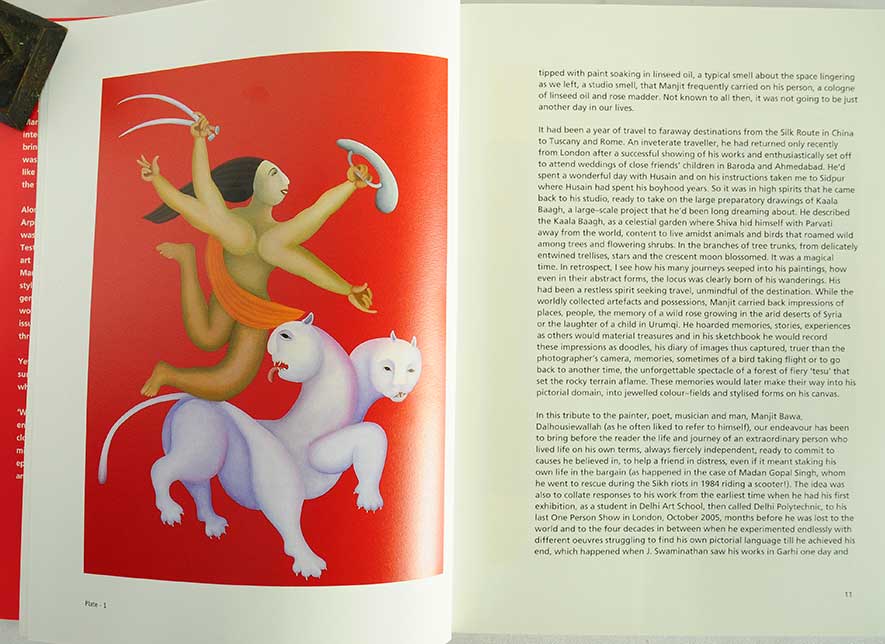
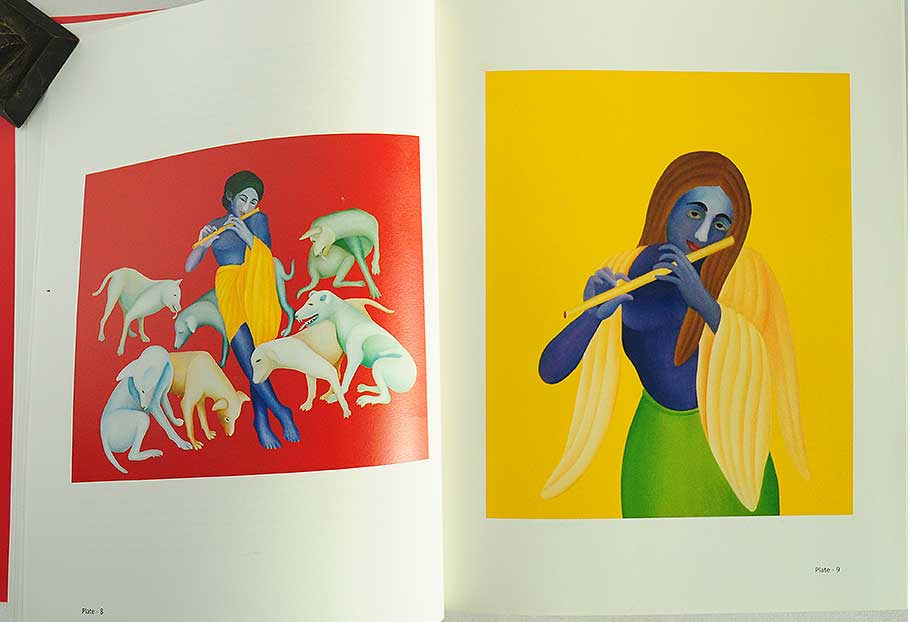
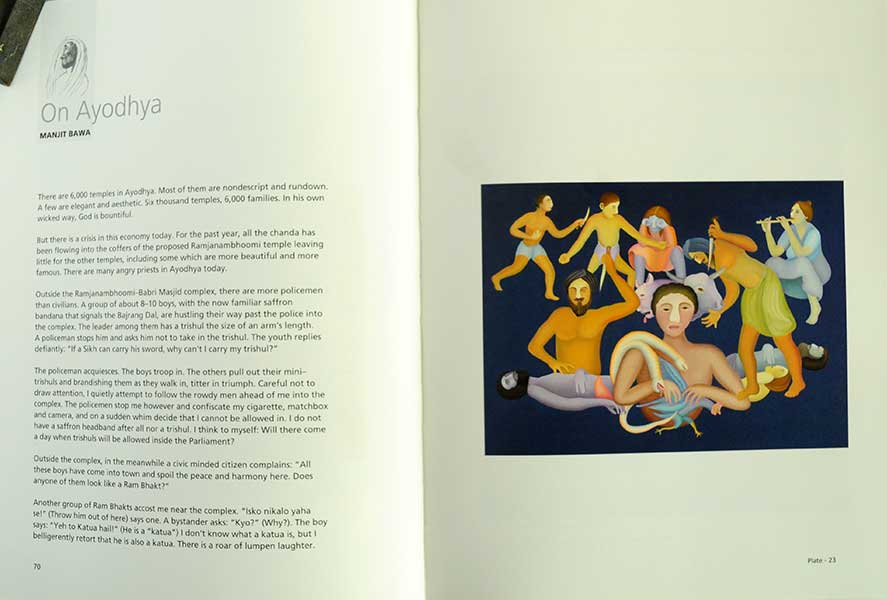
Two Books on Indian Artist Manjit Bawa: Manjit Bawa and Let’s Paint the Sky Red. He is primarily known for Figurative Modern Art (Figurative Painting). His work is also frequently described as Indian Modernism with surreal and mythological influences.
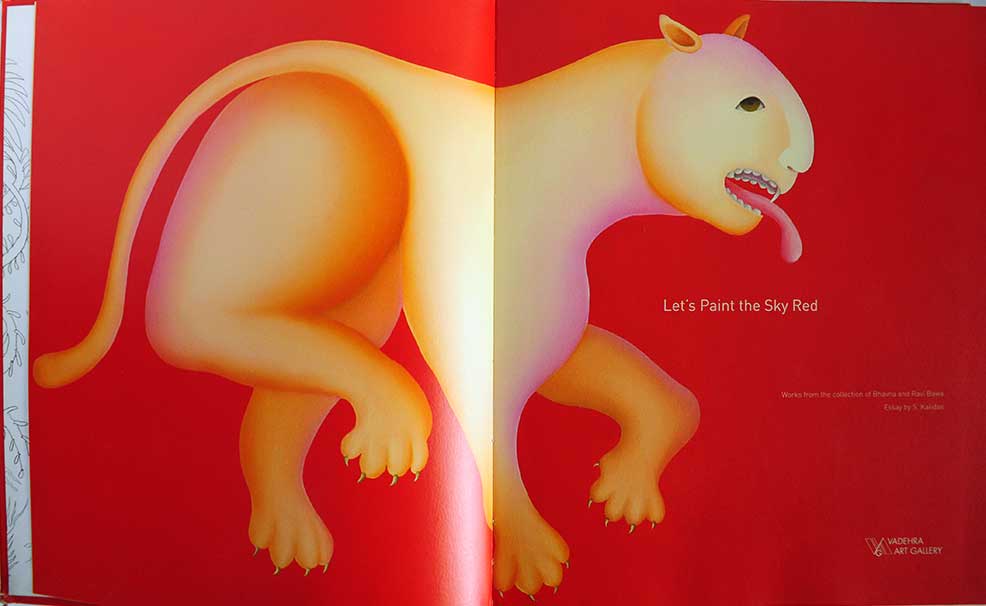
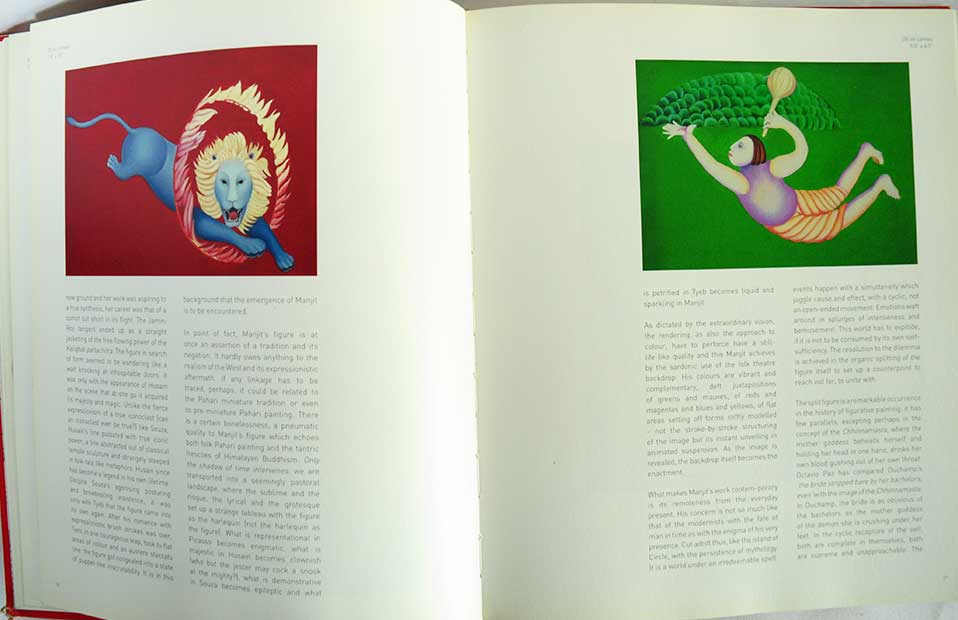
Manjit Bawa’s distinctive style has the following characteristics:
-
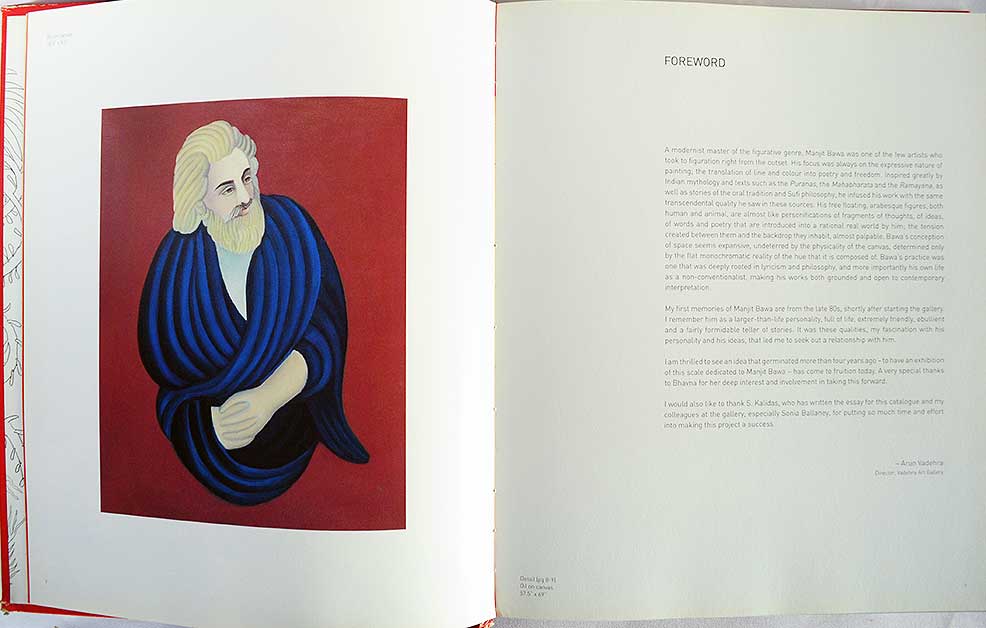
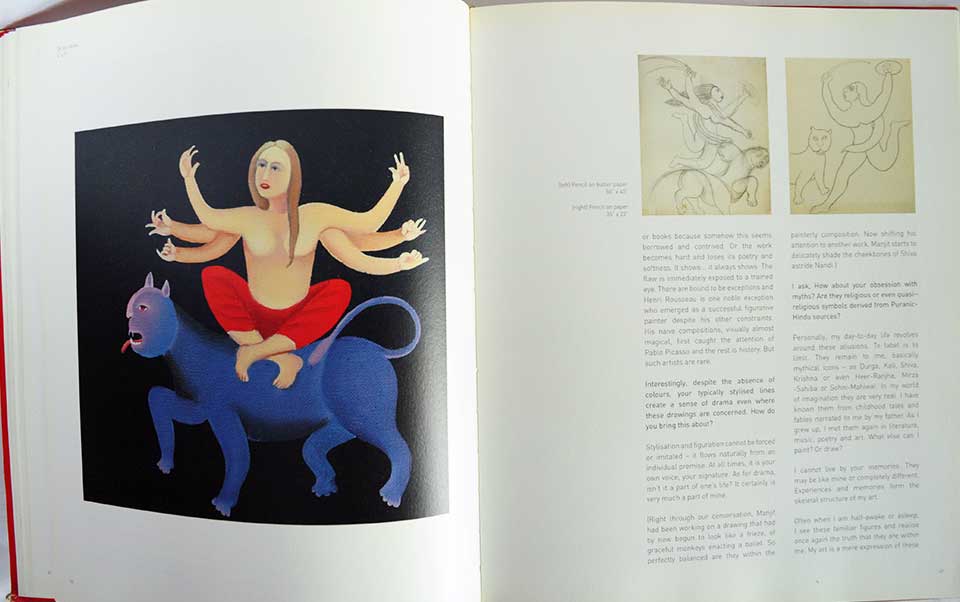
Figurative art: Stylised human figures, animals and deities rather than abstract shapes.
-
Surrealism: Dreamlike compositions, with figures often appearing to float against plain backgrounds.
-
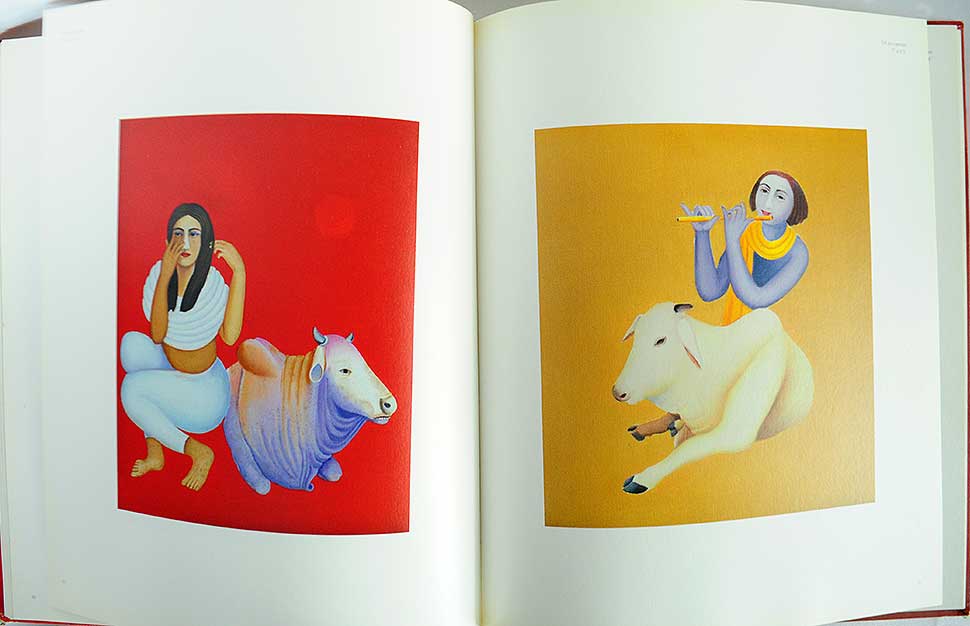
Mythological art: Subjects drawn from Hindu mythology, particularly Krishna, Shiva and Kali.
-
Vibrant colourism: Brilliant reds, pinks, yellows, greens and purples.
Manjit Bawa was one of India’s most distinguished modern painters, celebrated for his distinctive artistic style, vivid colours and imaginative interpretation of Indian mythology and spirituality. Born in Dhuri, Punjab, he studied at the College of Art in New Delhi before moving to England, where he specialised in silk-screen printing and further developed his artistic skills. Influenced by Indian miniature paintings, folk traditions, Sufi philosophy, and classical literature, Bawa developed a unique style that set him apart from many contemporaries.
His paintings are instantly recognisable for their striking use of brilliant reds, pinks, yellows, greens and violets, often set against uncluttered backgrounds. His subjects included Hindu deities such as Krishna, Shiva and Kali, alongside animals, birds and figures inspired by Indian folklore and legendary tales. Often portraying human and animal forms with graceful simplicity, his works convey tranquillity, harmony, and spirituality. By combining traditional Indian themes with a highly individualistic modern approach, Manjit Bawa established himself as an influential figure in Indian contemporary art. He passed away in December 2008, leaving behind a remarkable artistic legacy.