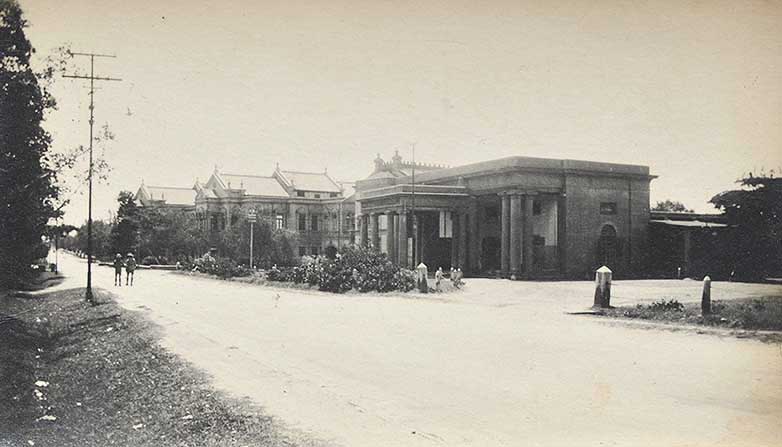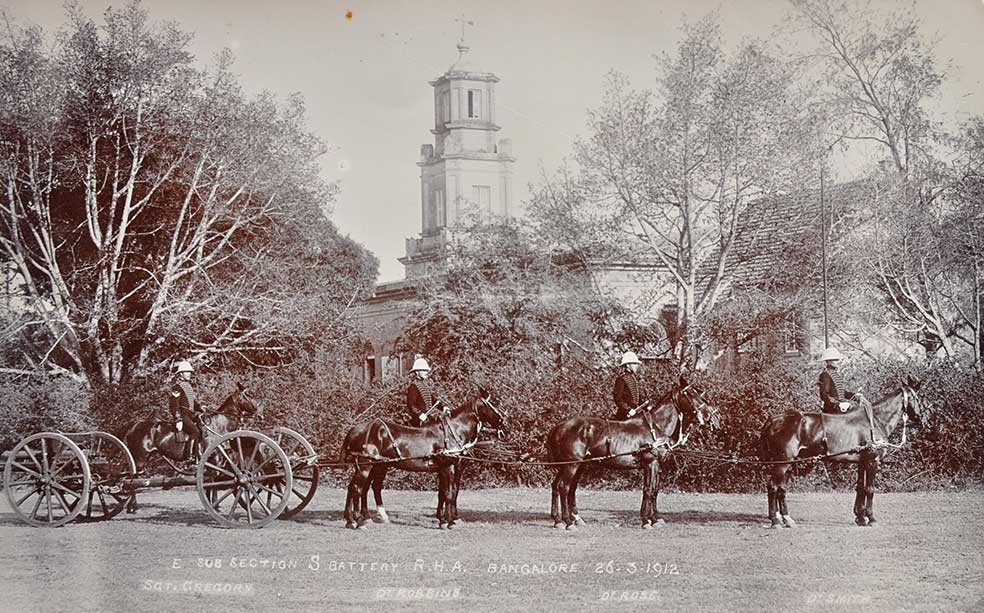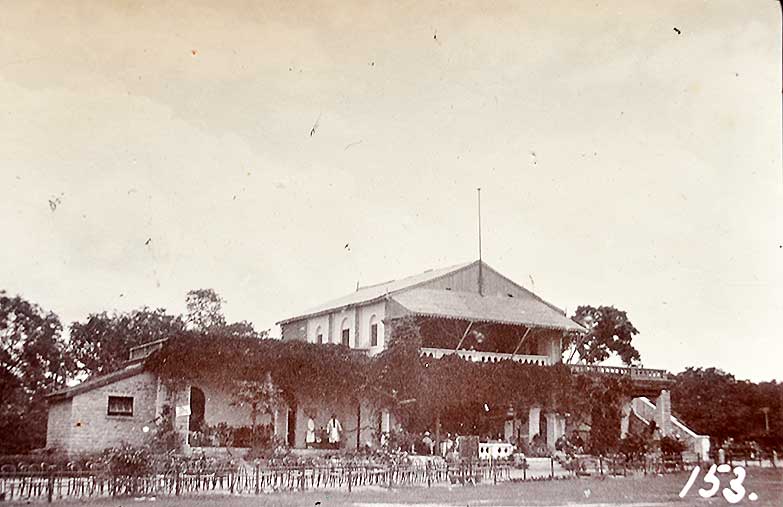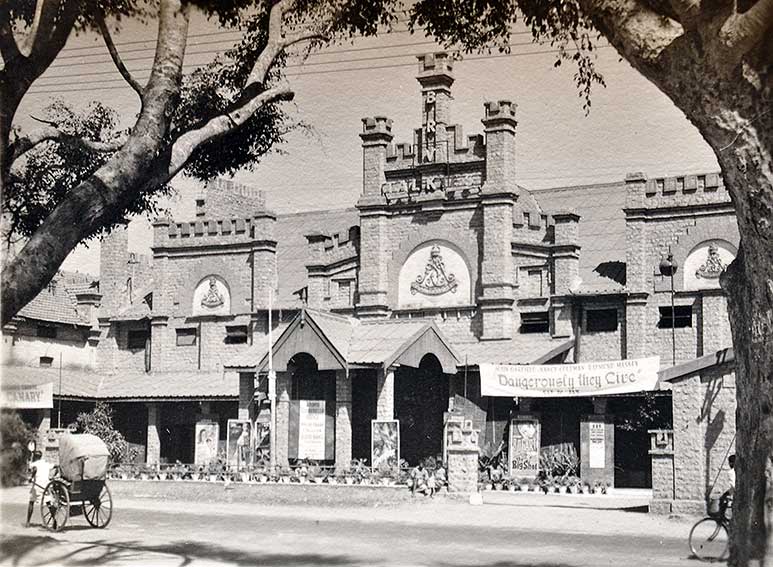

Aden Under The Bombay Presidency, The Forgotten India Connection, 1894 Photo
An 1894 photograph shows Aden when it was governed under the Bombay Presidency during the British India era. Today, located in southern Yemen on the Arabian Peninsula, Aden’s long and complex association with India is not widely known, yet it played a crucial role in Britain’s imperial strategy.
Aden came under British control in 1839, when the East India Company captured it to protect the crucial Suez–Bombay maritime route. Following annexation, the port city was administratively placed under the Bombay Presidency. A vast province of British India that controlled territories along the western coast from the Konkan to Karachi and Sindh. Aden remained part of this presidency for nearly a century until 1937.
The connection between Aden and Bombay is intertwined with the larger story of Bombay’s colonial rise. The seven islands of Bombay, originally under Portuguese rule from 1534, were gifted to King Charles II of England as part of the dowry on his marriage to Catherine of Braganza. In 1668, the king, needing funds, leased the islands to the East India Company for a nominal annual rent.
At that time, Surat was Britain’s primary western Indian port, while Bombay held a subordinate role. But by 1703, owing to its deep natural harbour and fortifications, Bombay began rapidly expanding, eventually becoming the administrative and commercial capital of western British India. This transformation elevated the Bombay Presidency into one of the most influential provinces of colonial India.
Aden’s inclusion in the presidency was mainly due to its exceptional strategic location. Situated near the mouth of the Red Sea, it was the final coaling point before ships entered the Suez Canal route to Europe. As steamships replaced sailing vessels in the 19th century, Aden gained prominence as:
- A major coaling and refuelling station
- A naval base for protecting British commercial interests
- A repair and resupply hub for ships travelling between England, India, and East Africa
- A critical military outpost controlling entry to the Red Sea and Indian Ocean
Aden’s bustling port became a cosmopolitan melting pot of Arabs, Indians, Somalis, Jewish traders, Parsis, etc.
In 1937, Aden was detached from British India to form a separate Crown Colony, reflecting its growing strategic importance. Later, in 1967, following years of anti-colonial resistance, Aden and the surrounding regions emerged as part of an independent South Yemen. Click image to enlarge.
Did you know – the commercial and strategic importance of Aden increased considerably when the Suez Canal opened in 1869.
Past posts – M. Suriyamoorthy Charcoal Art On Paper 1964 (#19)., Landing Jetty For Passengers At Apollo Bunder Bombay, 1880 Print., General Post Office British Era Bangalore, 1900 Postcard., Vintage Book 1881 – Everyday Life In India.