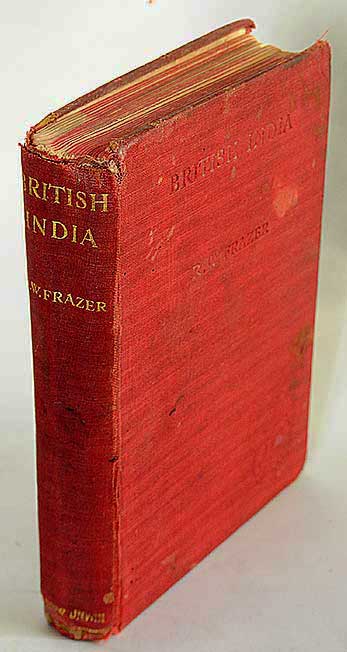
British Routes To India by H. L. Hoskins, 1928 Book
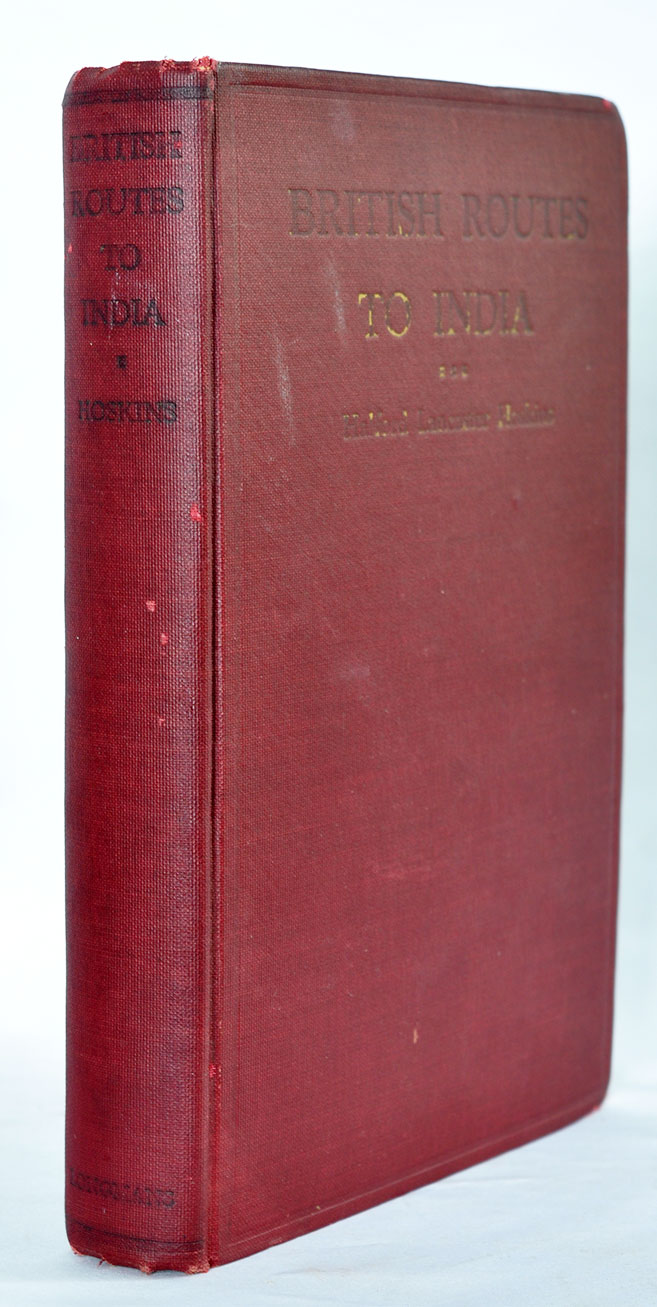
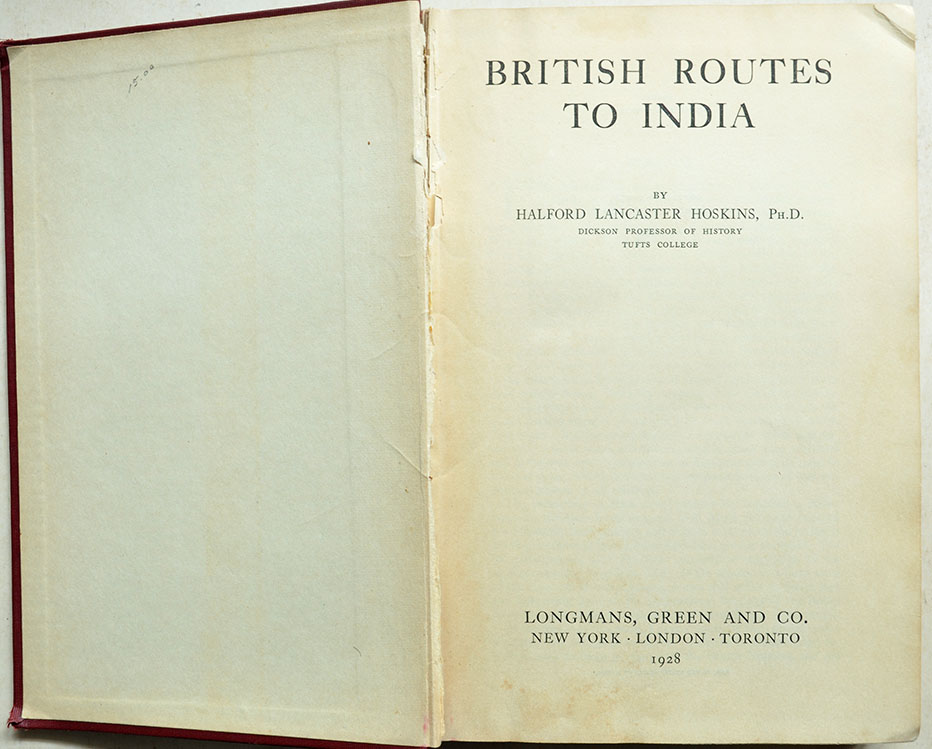
Title – British Routes To India
Author – H L Hoskins
Publisher’s – Longmans, Green And Co, London
Year – 1928
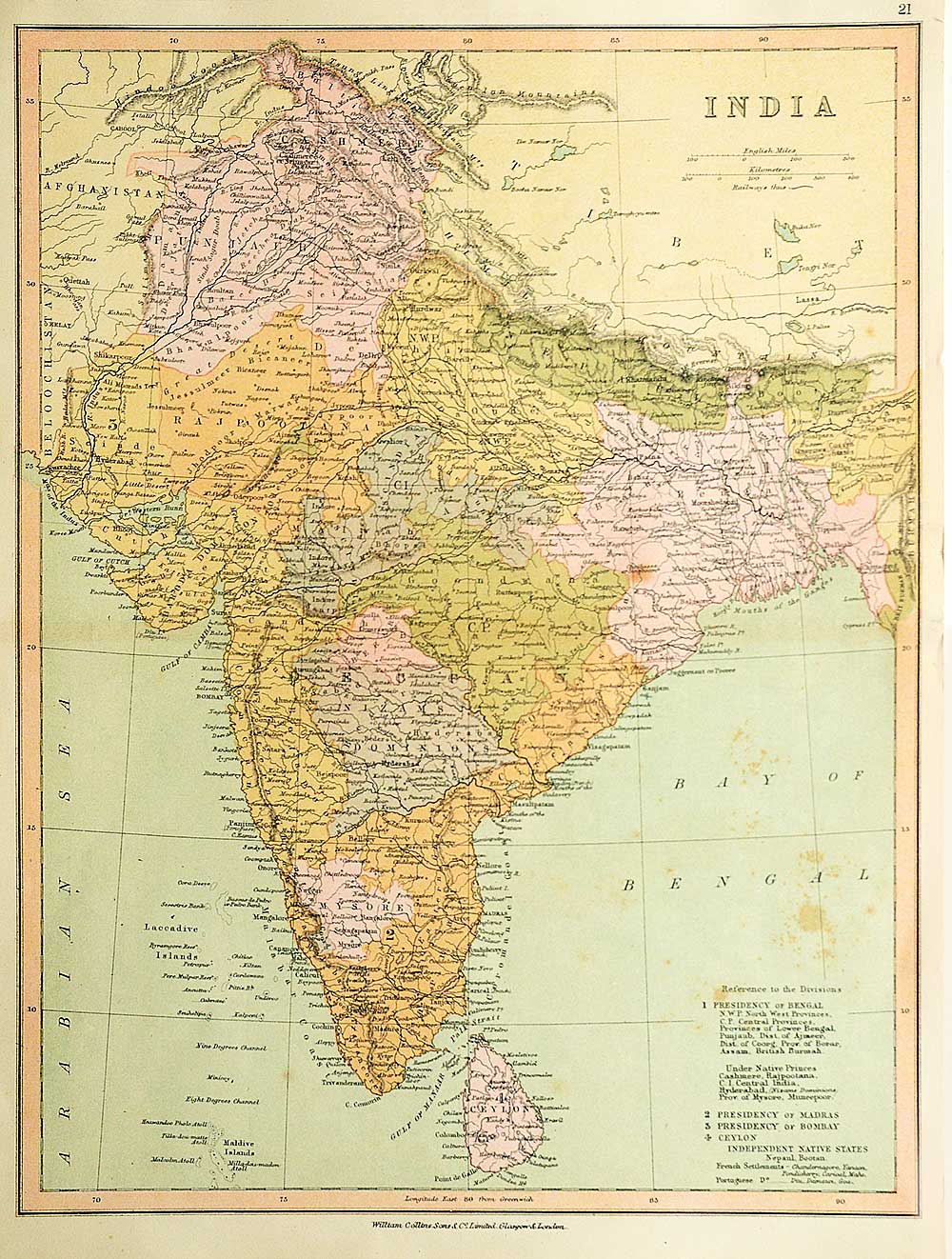
This book, British Routes to India by H. L. Hoskins, explores the centuries-long search for a shorter and faster route between Europe and India. After Vasco da Gama’s successful voyage to Calicut in 1498, which established the first direct sea route from Europe to India, other European powers scrambled to follow Portugal’s lead in the lucrative spice trade. From the 16th to the early 19th century, European merchants and colonial powers depended on the lengthy sea voyage around the Cape of Good Hope to reach India and the East.
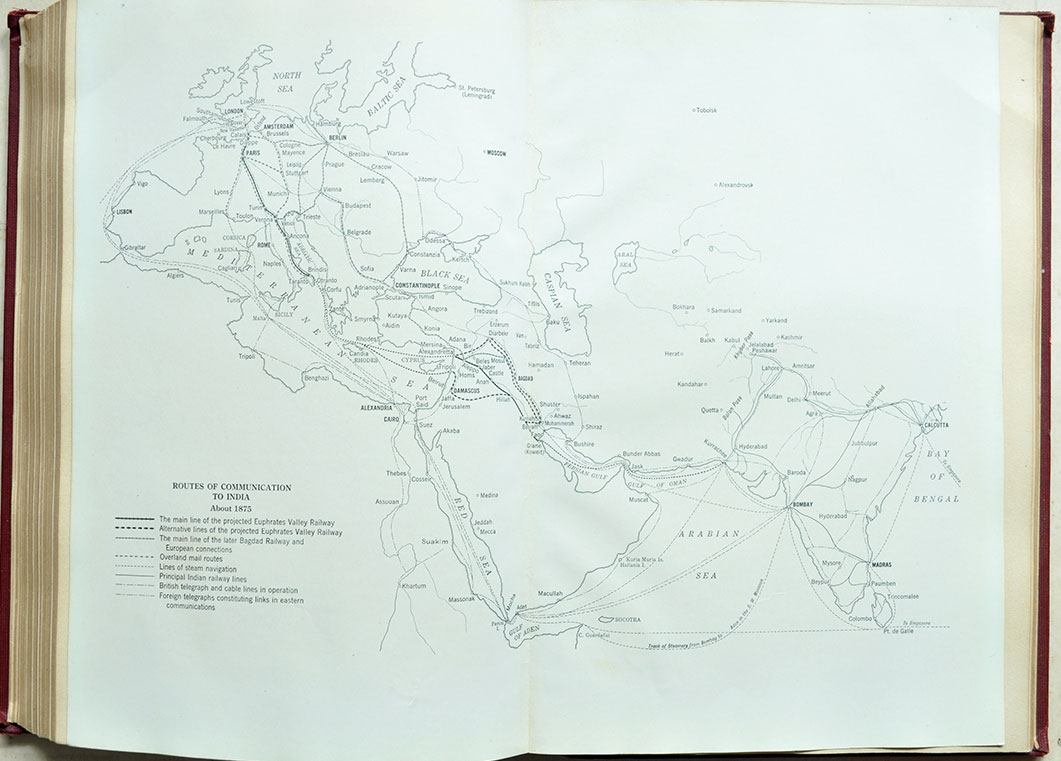
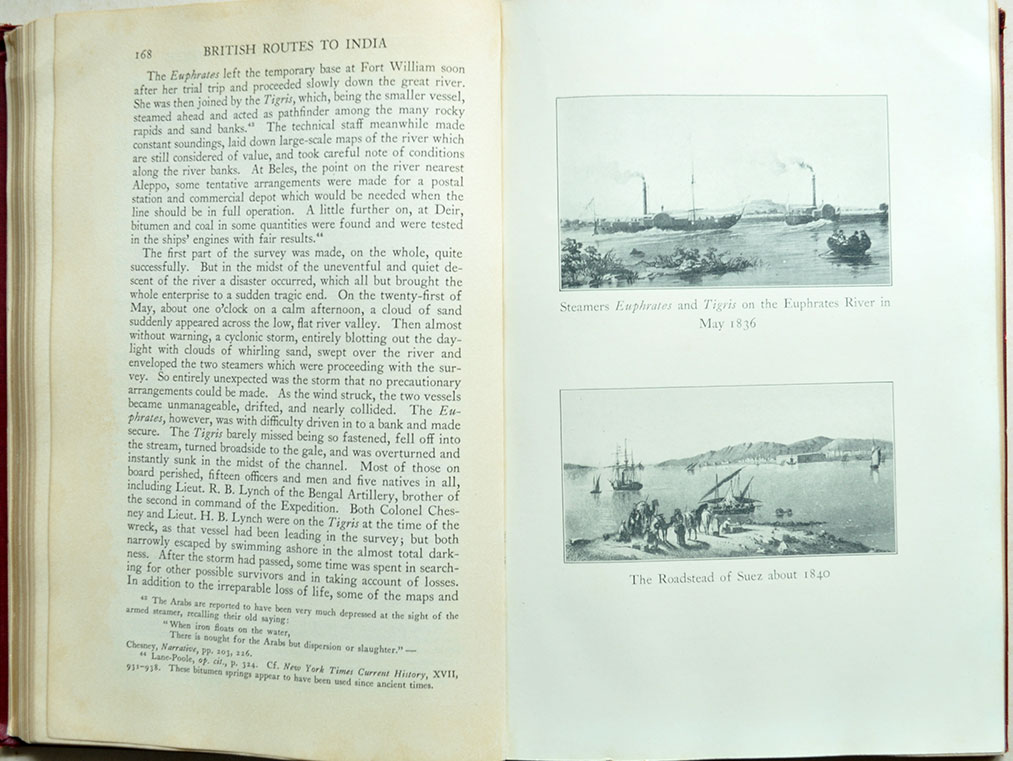
The book traces ambitious proposals and expeditions through a partly overland, partly sea route to India via Egypt, the Euphrates Valley, Turkey, and Persia. Highlighting the intense rivalry between the British, French, Portuguese, and Dutch to secure the most strategic gateway to Asia. For more than two centuries, the Cape route remained the principal link between Britain and India, with voyages often lasting many months despite advances in steam navigation.
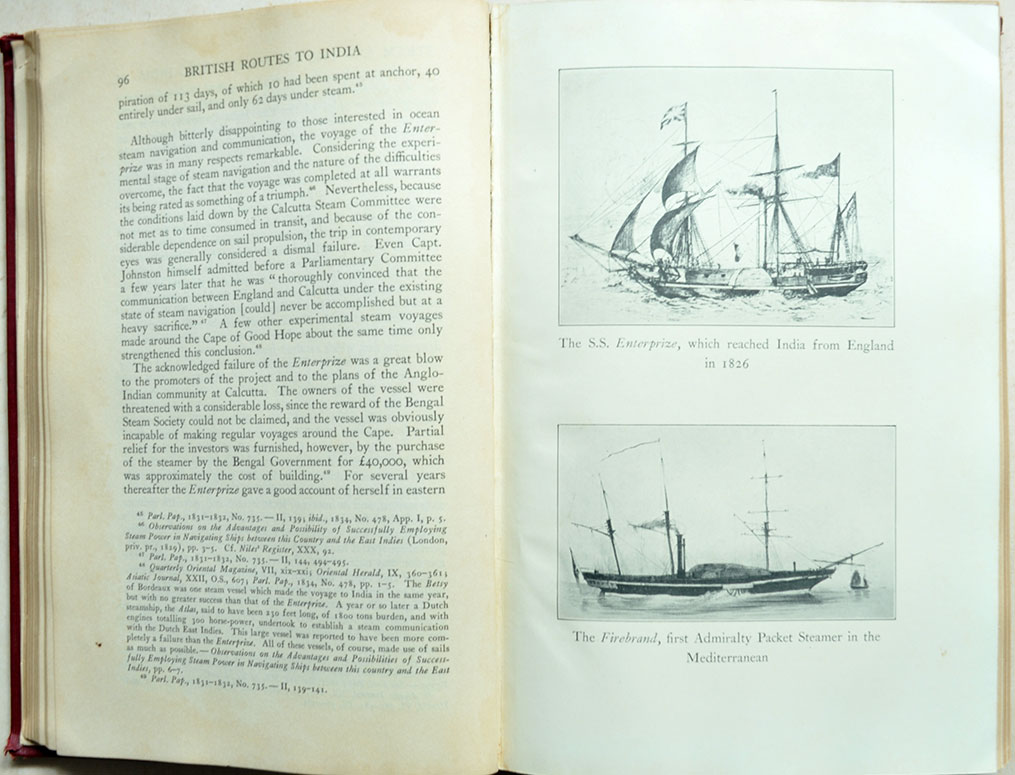
The first steamer, “Enterprise,” sailed from England to India in 1926. The opening of the Suez Canal in 1869 transformed global trade by reducing the journey to a matter of weeks, reshaping commerce, diplomacy, and imperial strategy. British Routes to India offers a fascinating account of how changing transport routes influenced the history of India, Ceylon (Sri Lanka), Asia, and the wider British Empire.