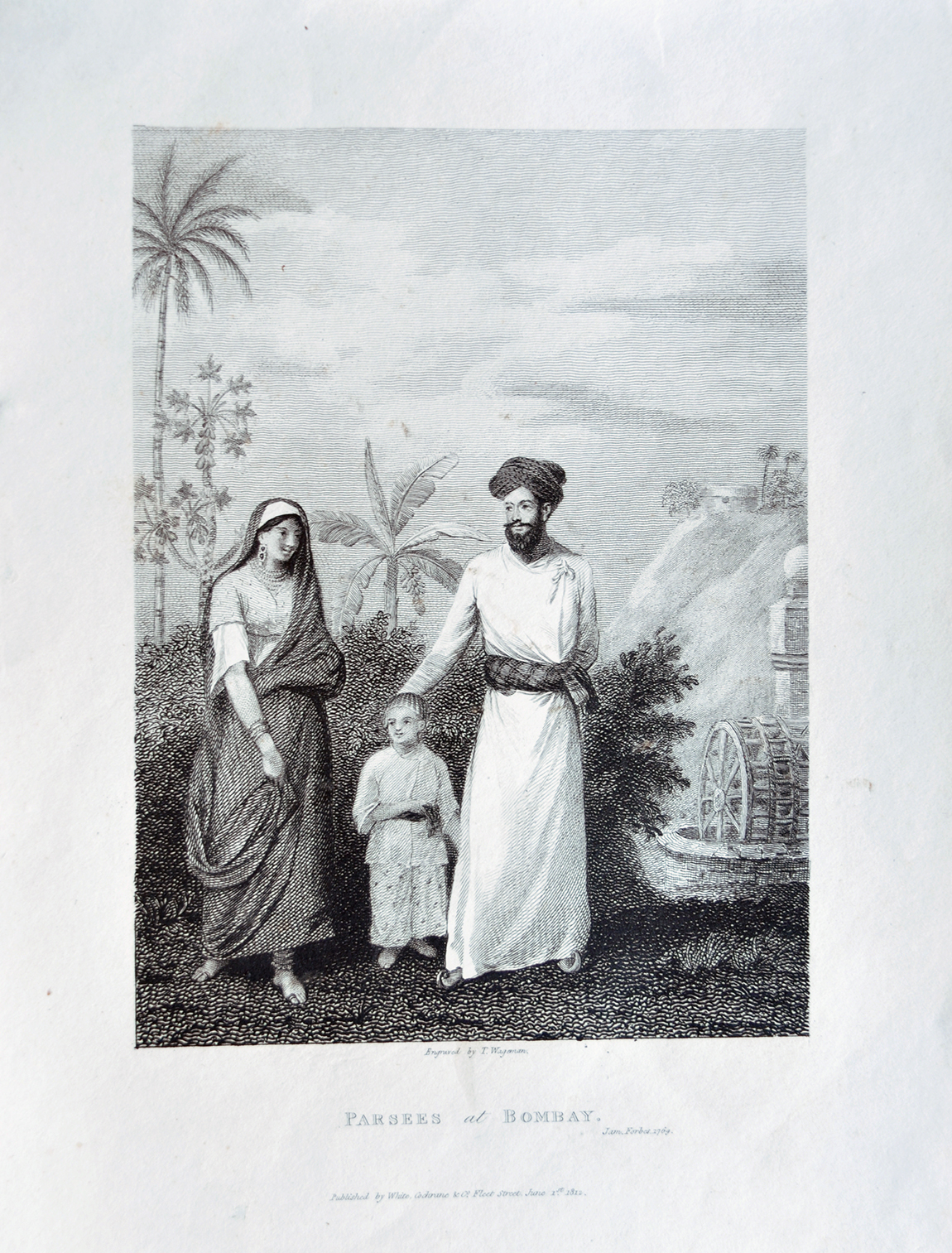
The Parsis of Bombay: A Rare Glimpse From An 1812 Print
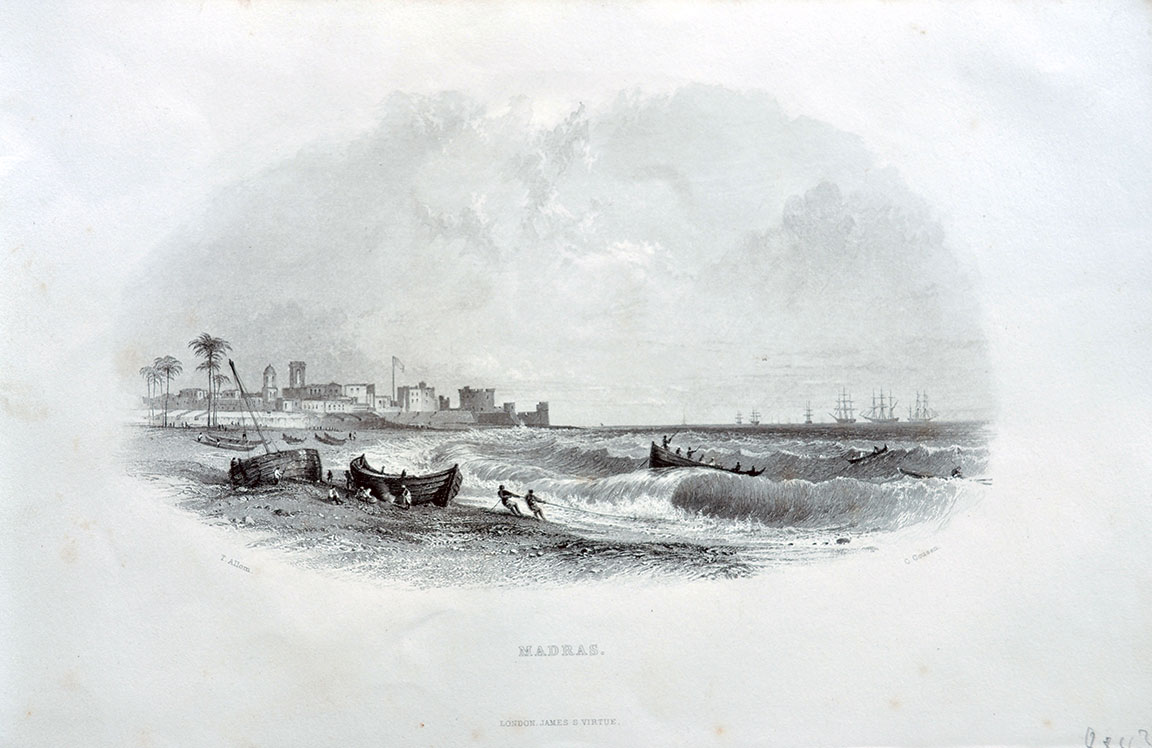
A fascinating 1812 print of a Parsi family in Bombay (Mumbai). This vintage print offers a glimpse into one of the communities that played a remarkable role in shaping the city’s early history. Bombay’s transformation from a cluster of seven islands into a major colonial port began after the islands passed from Portuguese to British control in the 17th century. King Charles II received Bombay as part of his marriage settlement with Catherine of Braganza in 1661, and the king subsequently leased the islands to the British East India Company.
Recognising Bombay’s superb natural harbour and strategic position, the British developed the settlement around its fortifications, while an ambitious programme of land reclamation, begun in 1782, gradually joined the islands and laid the foundations of modern Mumbai.
The Parsis were among the earliest communities to migrate to rapidly developing Bombay in substantial numbers, particularly from Surat, bringing valuable skills in commerce, shipbuilding, finance and trade. Originally from Persia and followers of the ancient Zoroastrian faith, their ancestors had migrated to the Indian subcontinent centuries earlier.
In Bombay, the community became an influential force in the city’s economic and civic life, with prominent families such as the Tatas, Godrejs and Wadias leaving an enduring mark on industry, philanthropy and commerce. From the shipyards and trading houses to the institutions and neighbourhoods of colonial Bombay, the Parsi contribution became deeply woven into the city’s story, helping transform Bombay into the energetic, cosmopolitan metropolis we know today as Mumbai.
Read more Zoroastrianism: Settlement of Parsis in Bombay
Did you know – in the great migration, even some foreign communities like the Jews, Armenians, Japanese, Europeans, etc., settled down around the Fort area.