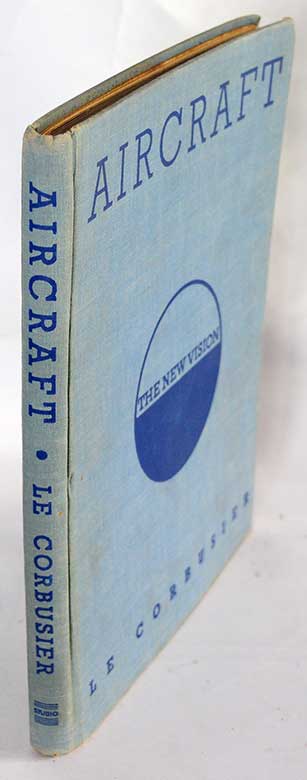


Aircraft: Famous Architect Le Corbusier’s 1935 Book on Aviation
Title: Aircraft
Author: Le Corbusier
Publisher: The Studio Ltd, London
Year: 1935
On October 22, 1929, renowned French architect Le Corbusier boarded the inaugural flight of Aeroposta Argentina, a pioneering airmail and passenger service connecting Buenos Aires with Asunción, Paraguay. Piloted by a French aviator, this early aviation journey marked more than a remarkable travel experience; it became a transformative moment in Le Corbusier’s creative life. At a time when commercial aviation was still in its infancy, the experience of viewing cities, landscapes, and human settlements from the sky offered the architect an entirely new perspective on space, movement.
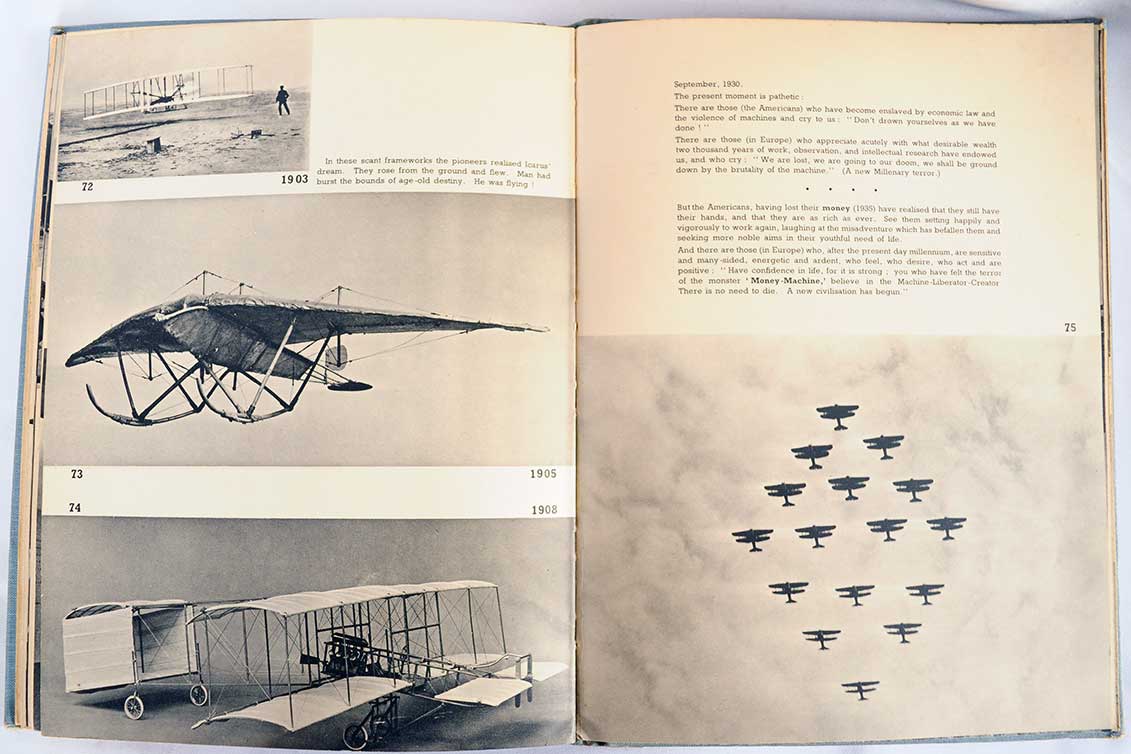
The act of flight left a profound impression on Le Corbusier, shaping both his architectural philosophy and artistic expression in the years that followed. Observing the world from above reinforced his fascination with geometry, urban planning, and the relationship between man-made structures and the natural environment. This aerial perspective would later echo in his writings, sketches, and visionary architectural concepts, making aviation not merely a mode of transport, but a catalyst for one of the 20th century’s most influential creative minds. Flying boats, once a promising mode of airline travel, get a mention in the book.
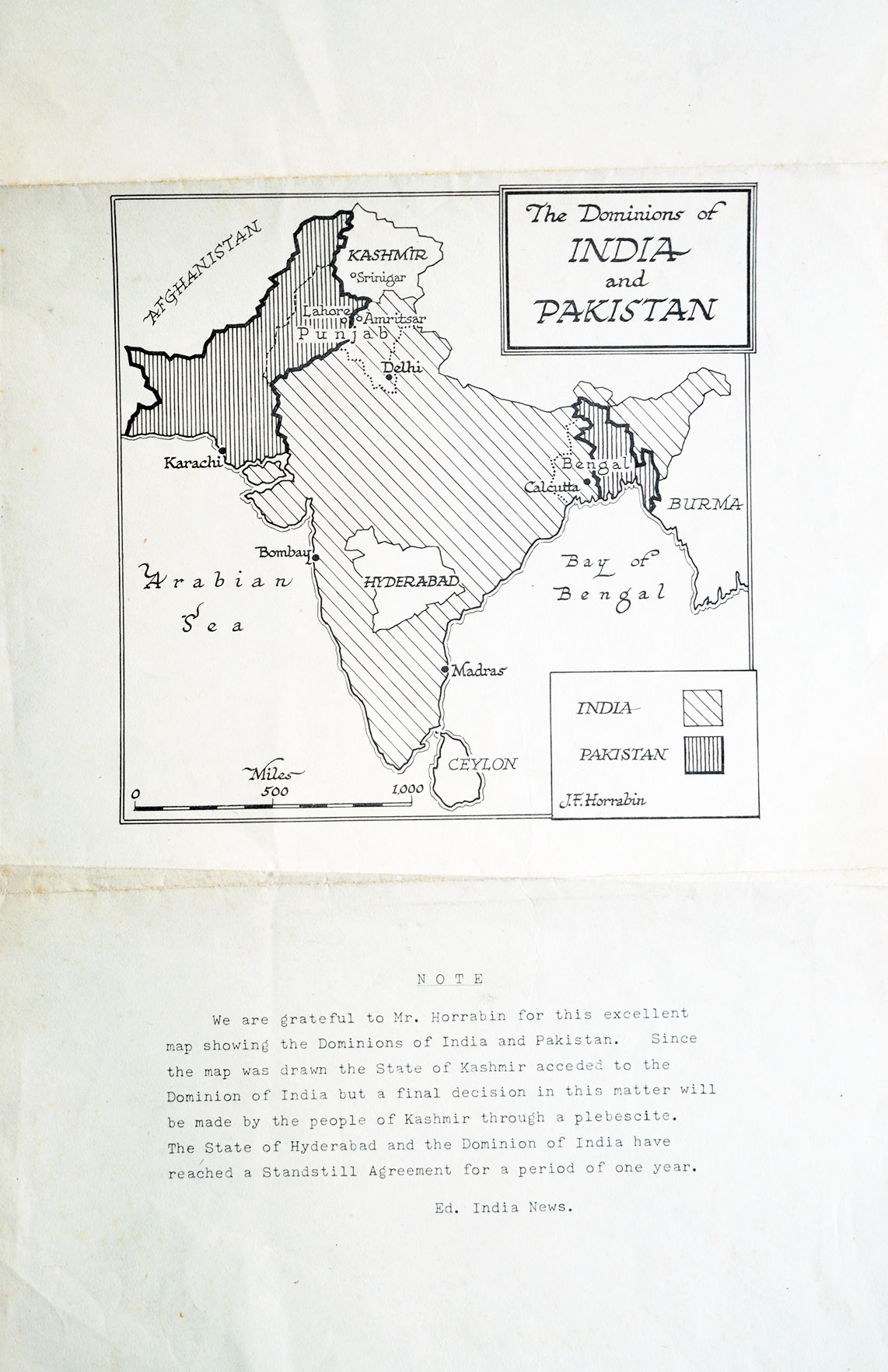
Le Corbusier’s most significant architectural achievement was the creation of Chandigarh, the planned capital of the Indian states of Punjab and Haryana. Conceived in the years following India’s independence in 1947, the city became one of the most influential examples of modern urban planning in the twentieth century.