Victoria Terminus Intersection In British-Era Bombay, 1926 Postcard
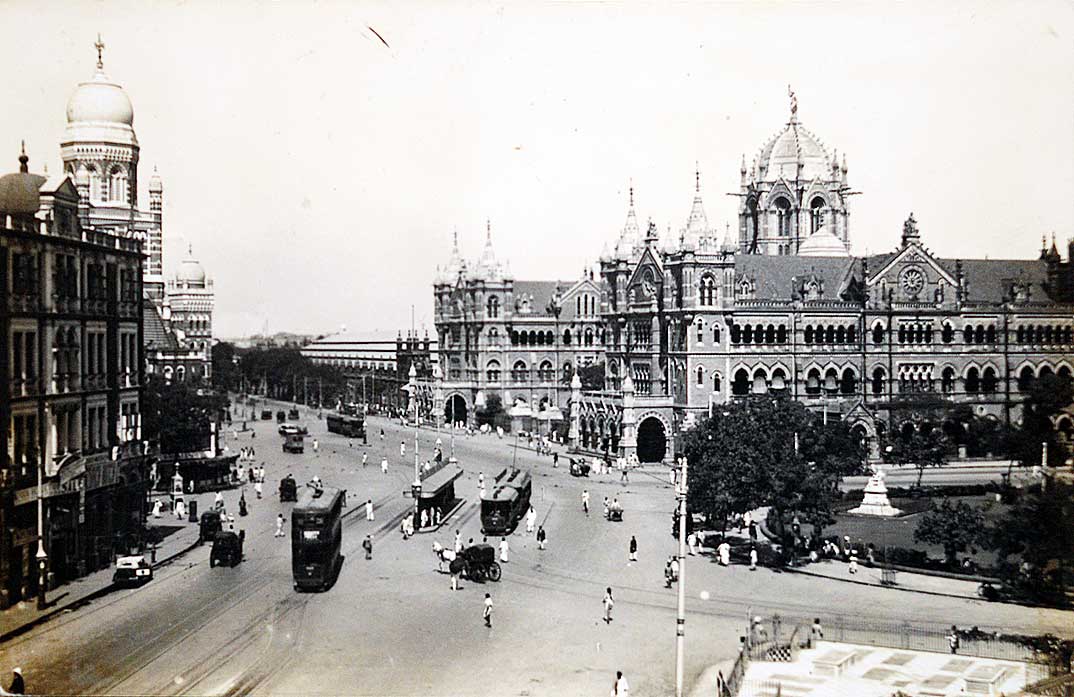
This striking street scene captures the junction outside Victoria Terminus in British-era Bombay (Mumbai), with the station’s Gothic Revival towers and octagonal dome rising over the intersection. Completed in 1888 and designed by architect Frederick William Stevens for the Great Indian Peninsula Railway, the terminus was built on the site of the old Bori Bunder station.
Stevens drew heavily on London’s St Pancras Station for inspiration, blending high Victorian Gothic with Indian decorative elements, right down to the gargoyles, turrets, and a statue of Progress crowning the central dome. The building was later renamed Chhatrapati Shivaji Maharaj Terminus and was awarded UNESCO World Heritage status in 2004.
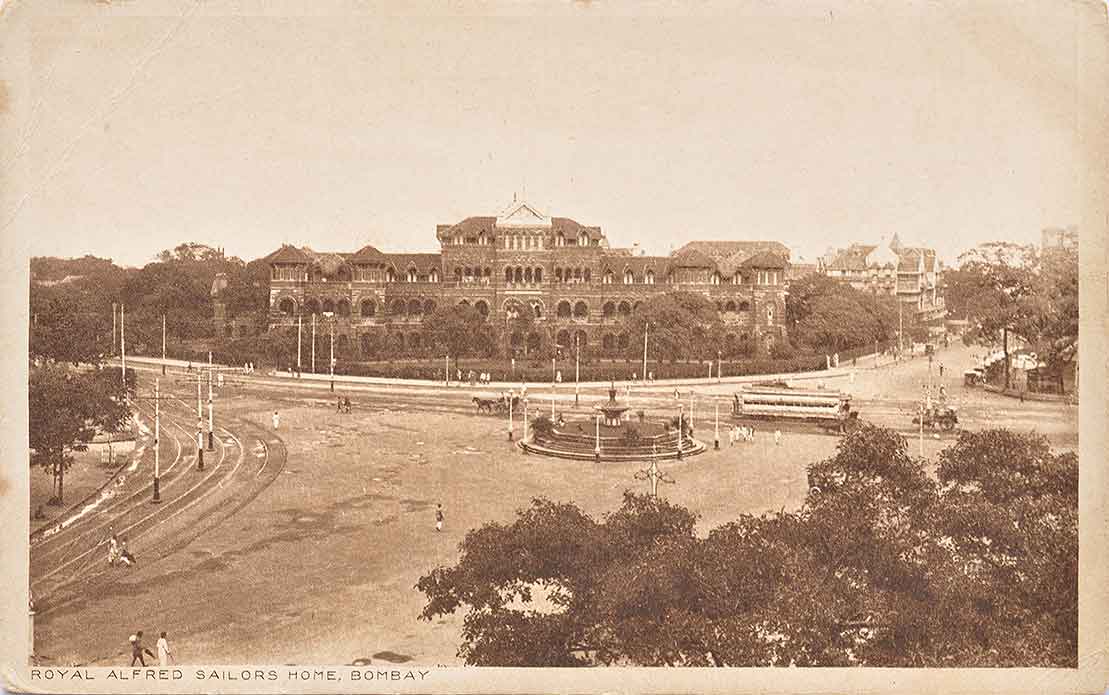
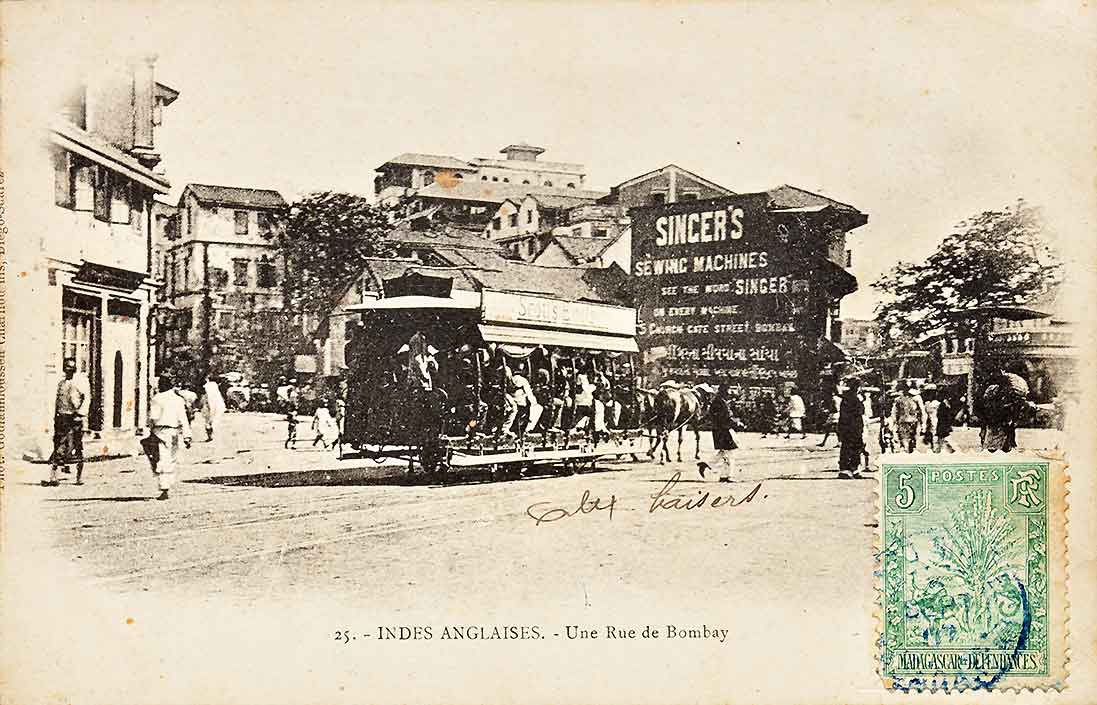
The postcard itself is a vivid reminder of daily life on this junction in the early twentieth century, with double-decker electric trams rolling past horse and bullock carts, and pedestrians crossing the wide, uncluttered roads. Bombay’s tramway network had begun with horse-drawn trams in 1874 before its electrification in 1907. The double-decker service seen here entered operation from 1920 onward. With motor traffic still years from dominating Bombay’s streets, scenes like this offer a rare, unhurried glimpse of one of the city’s busiest crossroads before it became the congested hub it is today.
Did you know – in 1853, the country’s first passenger train departed from Bori Bunder to Thane — a 21-mile journey that took about 45 minutes.