In their earliest form, Kashmiri houseboats were designed for mobility. These floating structures, typically about 40 feet long, were navigated along the Jhelum River by local boatmen using poles. In stronger currents or higher water levels, they were even towed by horses walking along the riverbanks. This mobility allowed travelers to experience the valley as a journey rather than a destination, drifting past villages, gardens, and wooden bridges.
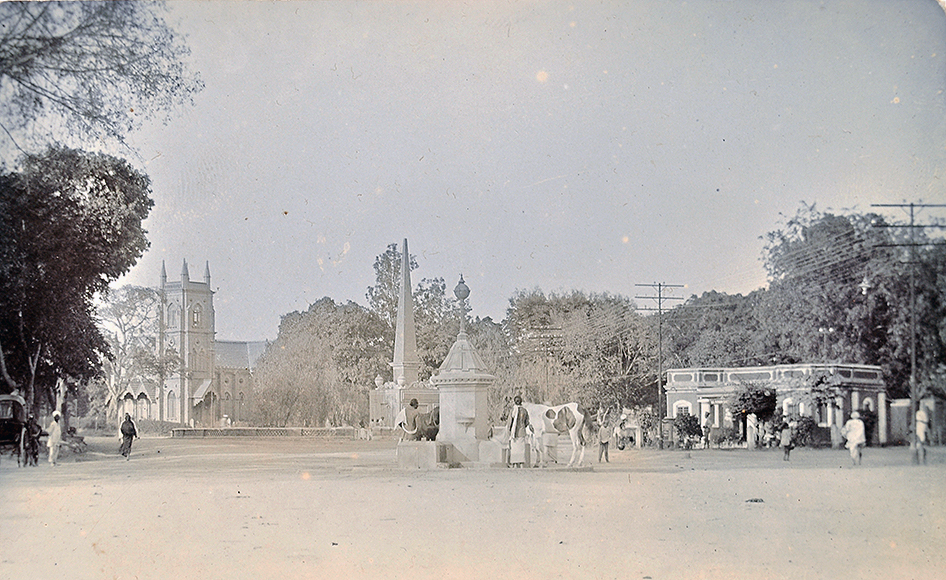
This 1890 photo is a rare visual record of this transitional phase—when houseboats were still actively used for travel rather than being anchored permanently.
The story of Kashmir’s houseboats is deeply intertwined with the colonial era. During the British Raj, European visitors flocked to Kashmir to escape the intense summer heat of the Indian plains. However, a unique restriction shaped their experience: the local ruler prohibited foreigners from owning land in the region.
This limitation sparked an ingenious solution—the creation of floating residences. These “floating camps” allowed British visitors to enjoy extended stays without violating local laws. Over time, these modest boats evolved into more elaborate structures, combining comfort with scenic mobility.
As travel patterns changed, so did the design and function of houseboats. British visitors began favoring shorter, more comfortable stays, demanding larger and more luxurious accommodations. At the same time, practical challenges emerged. The Jhelum’s low bridges restricted the movement of bigger boats, and increasing silt levels made navigation difficult.
Gradually, houseboat owners adapted by anchoring their vessels permanently along the calmer waters of Dal and Nigeen Lakes. What began as a necessity soon became a defining feature—rows of stationary houseboats offering a unique blend of hospitality and heritage.
Following India’s Independence in 1947, there were concerns that the houseboat tradition might decline with the departure of British patrons. Instead, local owners reimagined their purpose. The boats were transformed into elegant floating hotels, catering to Indian travelers and presenting themselves as “floating palaces.”
This reinvention proved successful, preserving both the craft and the cultural identity of Kashmir’s waterways.
Today, houseboats are synonymous with serene, stationary luxury. Yet, this rare 1890 photograph reminds us of a different chapter—when these floating homes glided along rivers, carrying stories, travelers, and traditions through the heart of Kashmir. It’s a powerful visual echo of a time when the journey itself was the destination. Click image to enlarge.