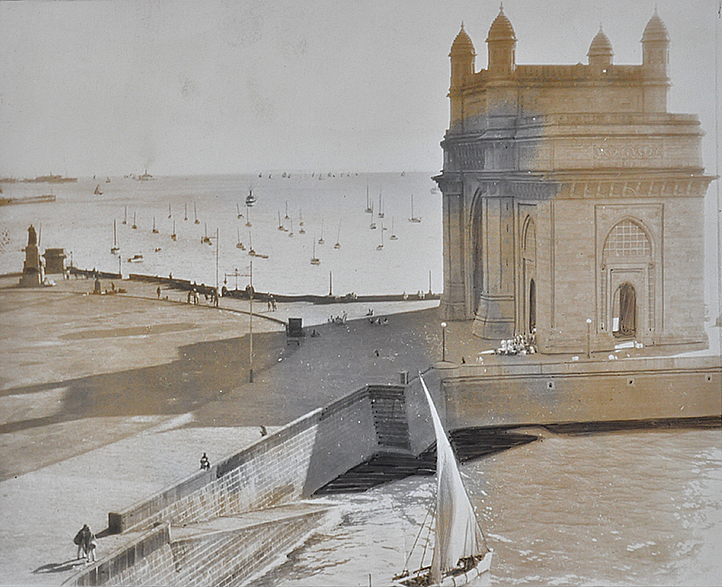
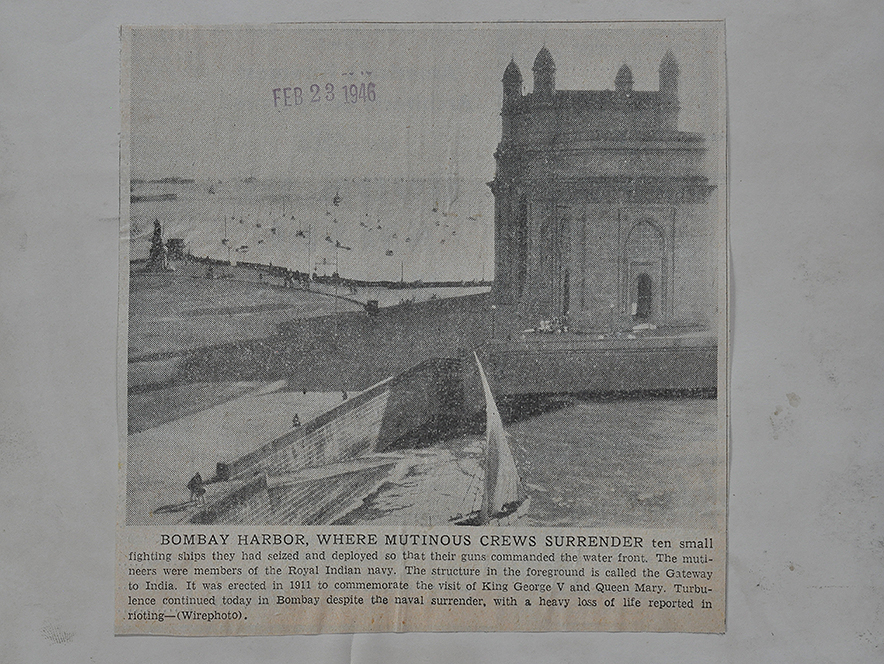
Gateway of India and the 1946 Royal Indian Navy Mutiny, Bombay, 1946 Photo

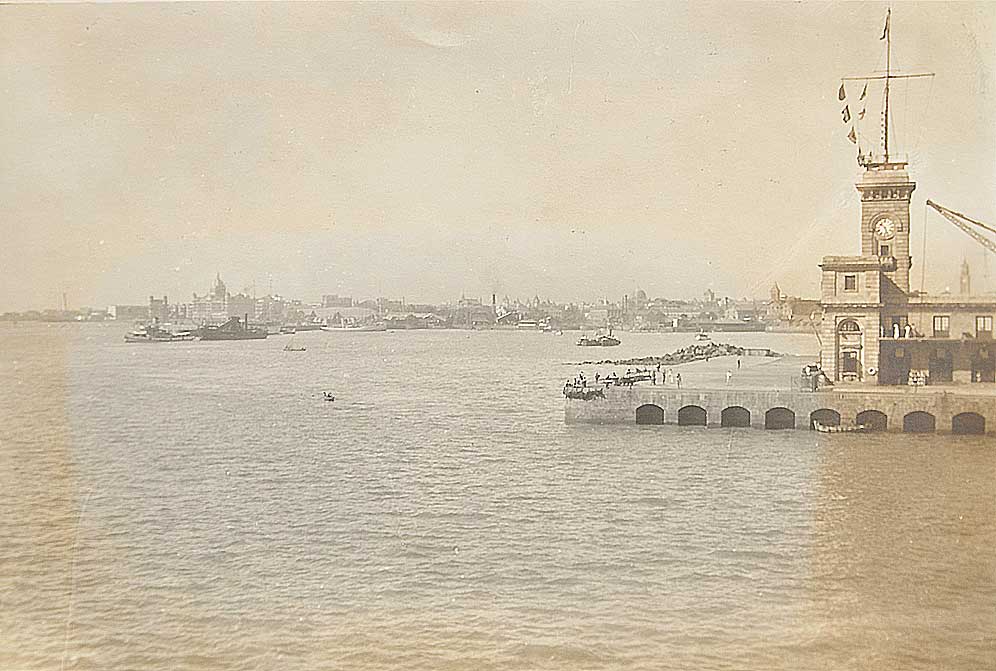
The photograph and accompanying newspaper clipping of 1946 capture a remarkable moment in the history of Bombay (Mumbai). With the iconic Gateway of India overlooking the harbor during the turbulent days of the 1946 Royal Indian Navy Mutiny. Built between 1911 and 1924 to commemorate the visit of King George V and Queen Mary to India, the Gateway had already become one of Bombay’s most recognizable landmarks. In the harbor beyond, naval vessels and small craft occupied the waters that witnessed one of the most dramatic episodes of late British rule. The mutiny, which began among Indian sailors protesting poor conditions and colonial discrimination, quickly spread across several ships and shore establishments, becoming a powerful symbol of growing nationalist sentiment.
The newspaper clipping dated February 23, 1946, records the surrender of mutinous naval crews in Bombay Harbor after days of unrest. Seen from near the Gateway of India, the waterfront became the backdrop to a historic confrontation that highlighted the weakening grip of the British Empire in India. Although the uprising was eventually suppressed, it had a profound psychological impact and is often regarded as one of the events that accelerated the end of colonial rule. Today, the Gateway of India stands not only as an architectural monument but also as a silent witness to pivotal moments that shaped modern India’s journey toward independence. Click first image to enlarge.
Did you know – ironically, the last British troops left independent India through the Gateway of India in 1948.