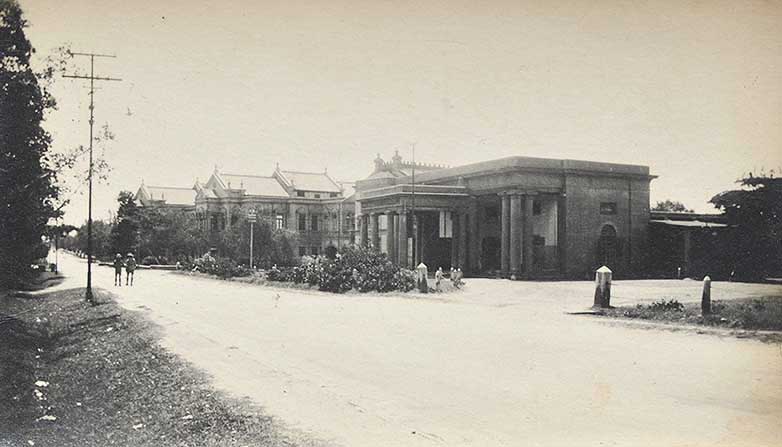
Glimpse of Bangalore Cantonment Life During British Era, 1900 Photo
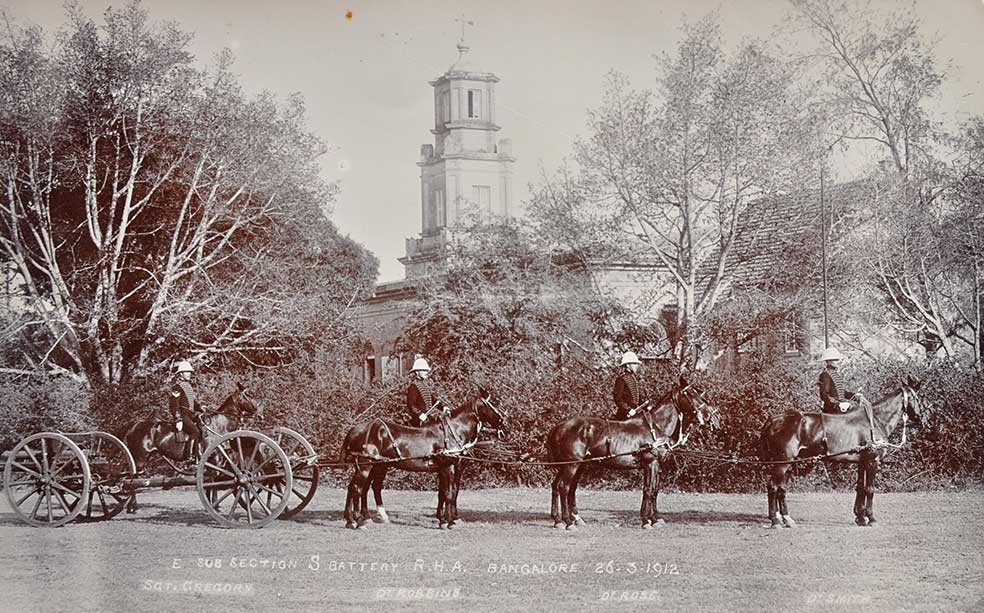
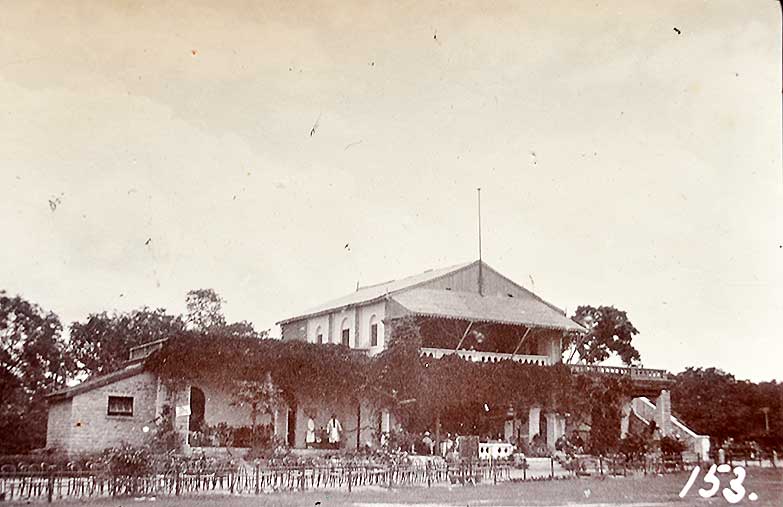
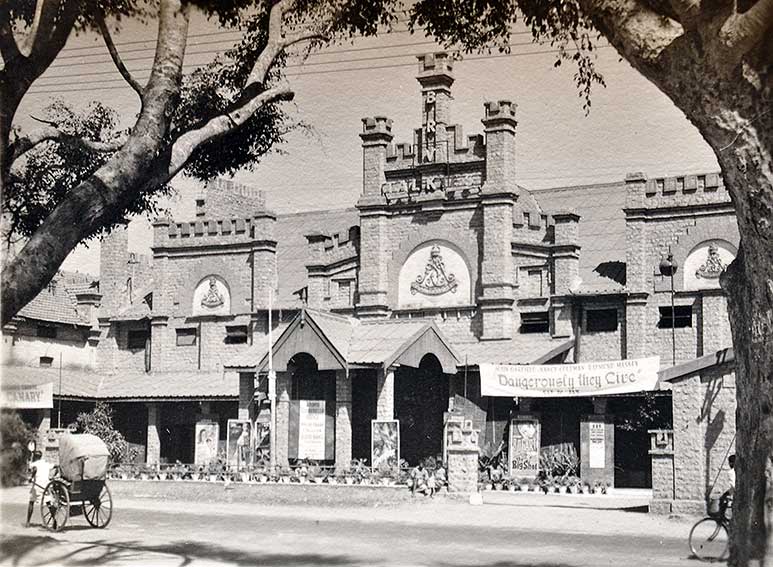
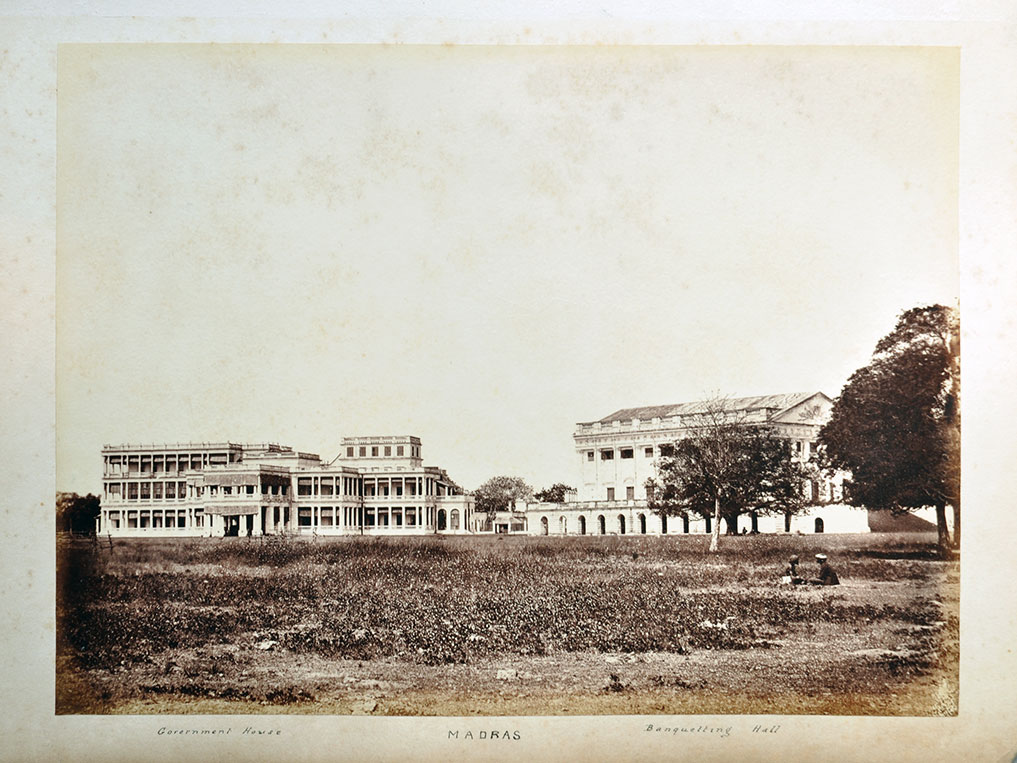
The 1900 photograph offers a fascinating window into everyday life in the Bangalore Cantonment during the height of British rule in India. Unlike the traditional pete (native town), the Cantonment was a distinctly European enclave, planned, orderly, and shaped by typical colonial aesthetics. Wide, dust-lined roads, telegraph poles, and neatly spaced buildings defined the landscape. The structures seen in the image are probably residential buildings at Cantonment.
Bangalore Cantonment in the early 20th century was a vibrant hub of military, social, and commercial activity. It housed barracks, clubs, churches, and bungalows surrounded by gardens, creating a stark contrast to the densely populated indigenous quarters nearby. The presence of pedestrians and the sparse traffic in the image highlight a slower, more deliberate pace of life. Horse-drawn carriages and early forms of transport dominated the roads, while native workers and European residents coexisted within a structured colonial hierarchy.
Today, remnants of the old Cantonment can still be traced in modern Bengaluru, such as Shivajinagar and Fraser Town, where colonial-era street layouts and buildings survive amid rapid urban growth. This rare 1900 image not only documents architecture but also preserves the atmosphere of a transitional time, when Bangalore was evolving into a key administrative and military center under British India. It stands as a visual reminder of how the city’s cosmopolitan character began taking shape over a century ago. Click image to enlarge.
Did you know – roads were named after British officers and regiments, like Brigade Road and Residency Road, which still exist today as some of Bengaluru’s busiest streets.