Early Years of Flying Boat Airlines in British India, 1937 Print

This rare four-page magazine print from 1937 offers a fascinating window into the formative years of global air travel. Titled “Wonders of the Air,” the feature showcases both water-based flying boats and land-based aircraft that symbolised aviation’s rapid technological progress during the interwar period.
Flying boats were once seen as a highly promising solution for long-distance air travel. First gaining momentum in the 1920s, they reached their peak during the 1930s and early 1940s before gradually disappearing by the 1950s, overtaken by advances in land-based aviation and airport infrastructure.
During the 1930s and 1940s, aviation expanded rapidly across Europe, Asia, and the British Empire. However, airports with paved runways were still rare in many regions, including British India. Building and maintaining airfields was costly, technically complex, and often impractical in remote or tropical locations.
In contrast, rivers, lakes, and sheltered coastal waters were more easily accessible and required little additional infrastructure. This made flying boats an ideal alternative. Designed to take off and land exclusively on water, they enabled long-haul air routes that connected Europe, Asia, Africa, and Australia with relative ease.
Flying boats soon came into favour on imperial air routes. Key cities such as Karachi, Delhi, Calcutta, Rangoon, and Singapore emerged as vital stopovers because of their proximity to major water bodies.
Early services operated between England and India, with Karachi, then part of undivided British India, serving as the primary eastern terminus. As aircraft design improved, more advanced flying boats extended regular operations further east. Calcutta became an important hub, with aircraft landing on the Hooghly River, before routes eventually continued onward to Singapore and Australia.
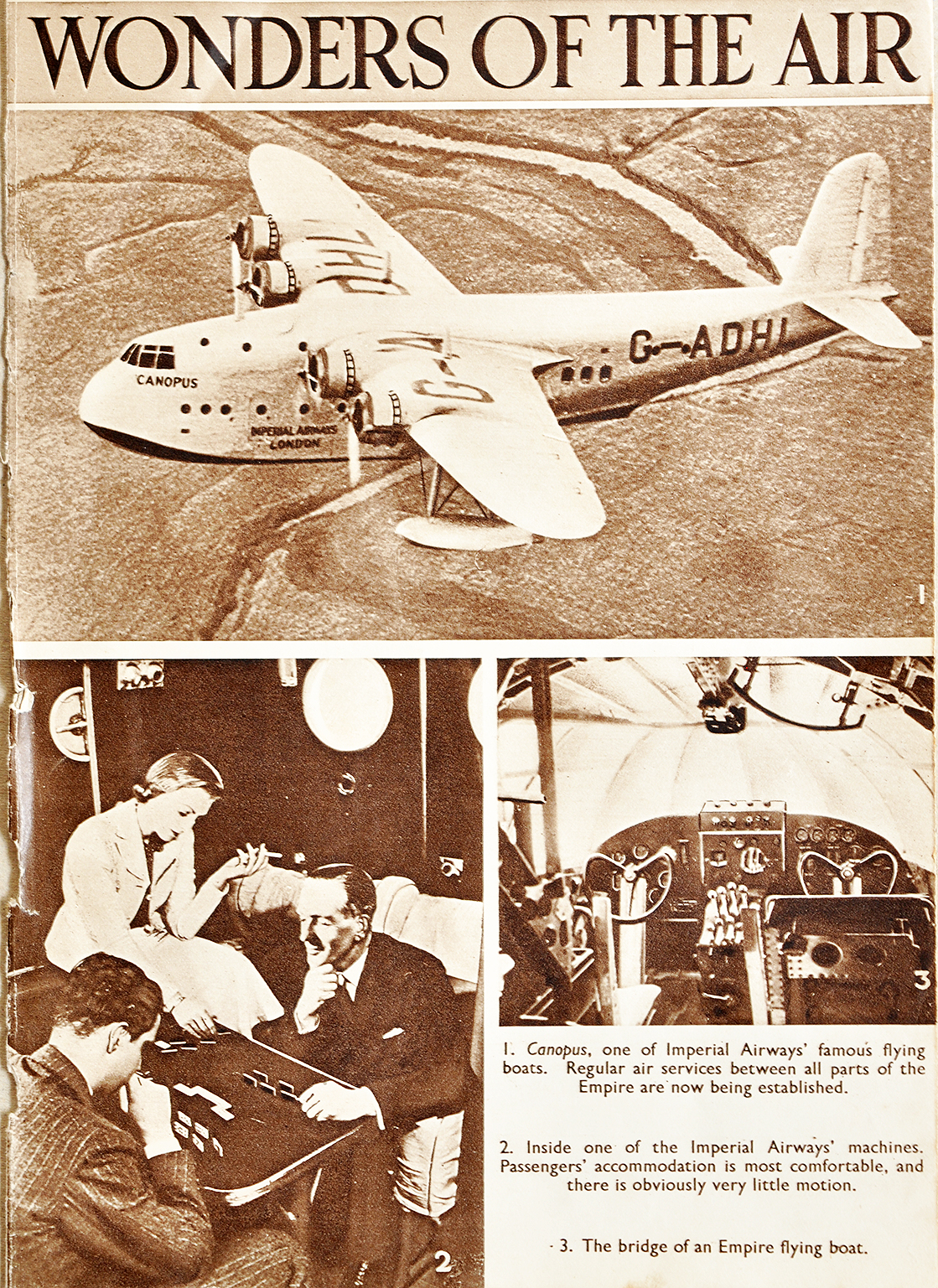
The first page of this 1935 print features one of Imperial Airways’ flying boats, Canopus, a symbol of Britain’s ambition to link its far-flung empire through regular air services. By the mid-1930s, scheduled flights were being established between major centres of the British Empire, including several key destinations in India.
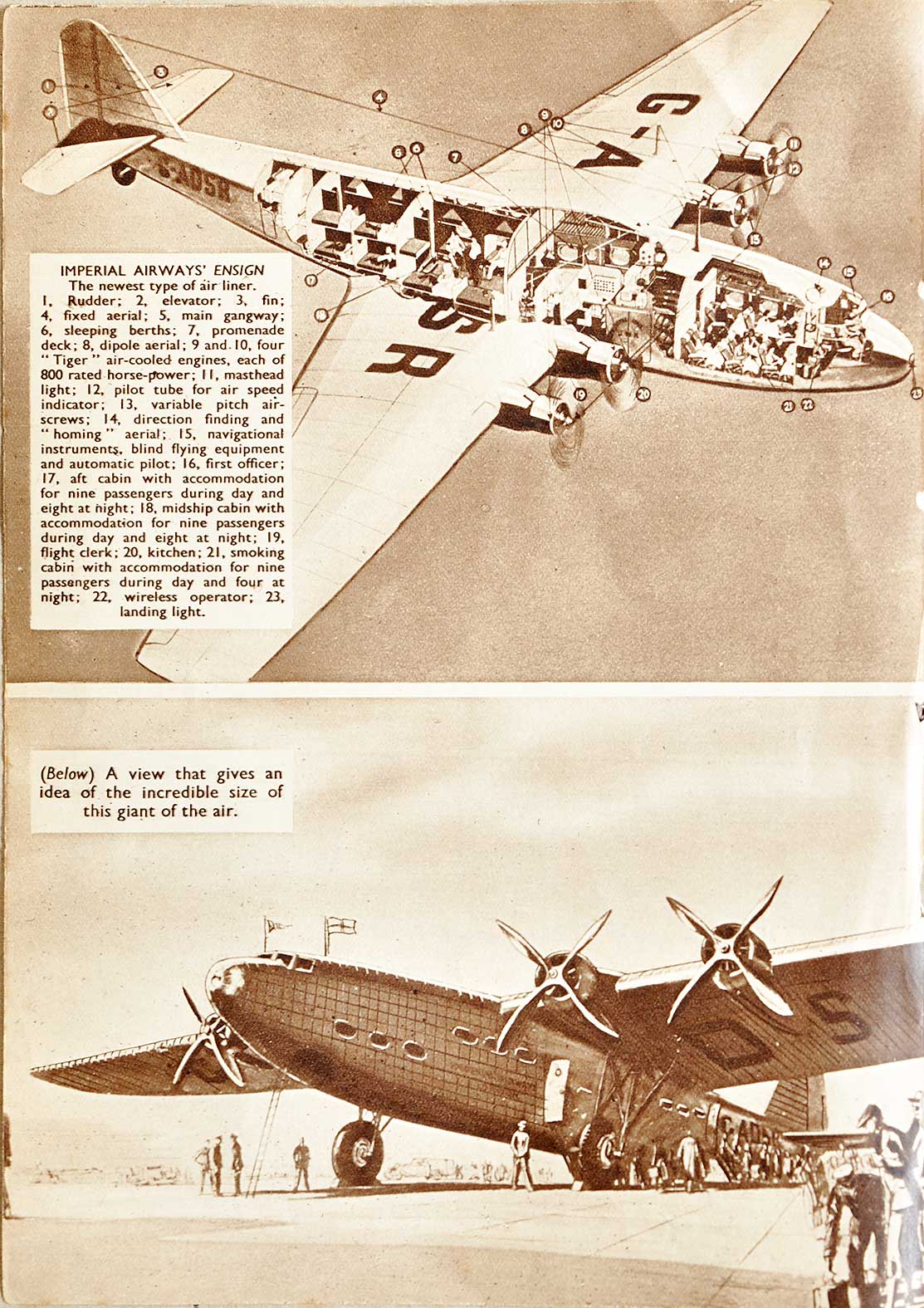
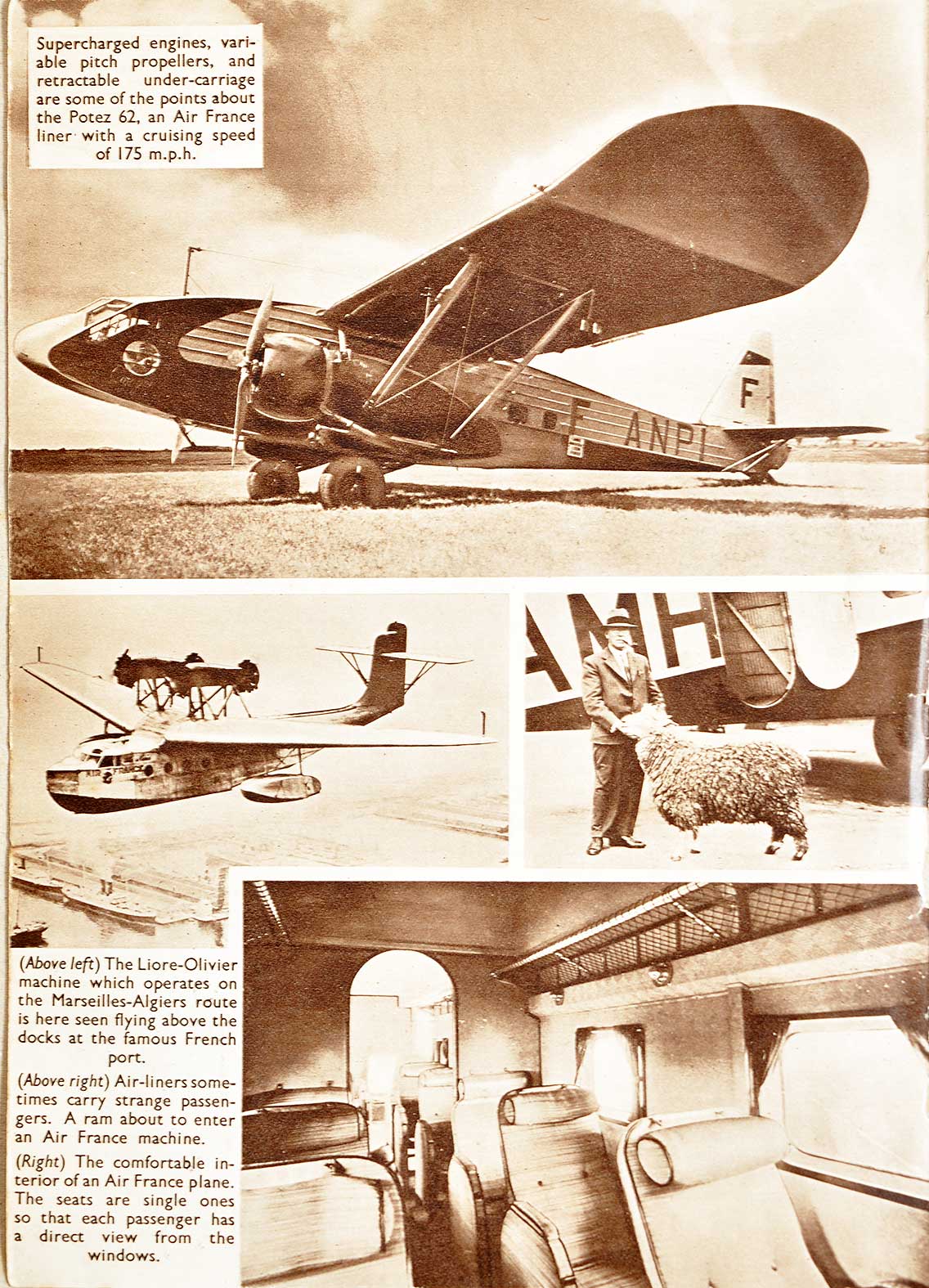
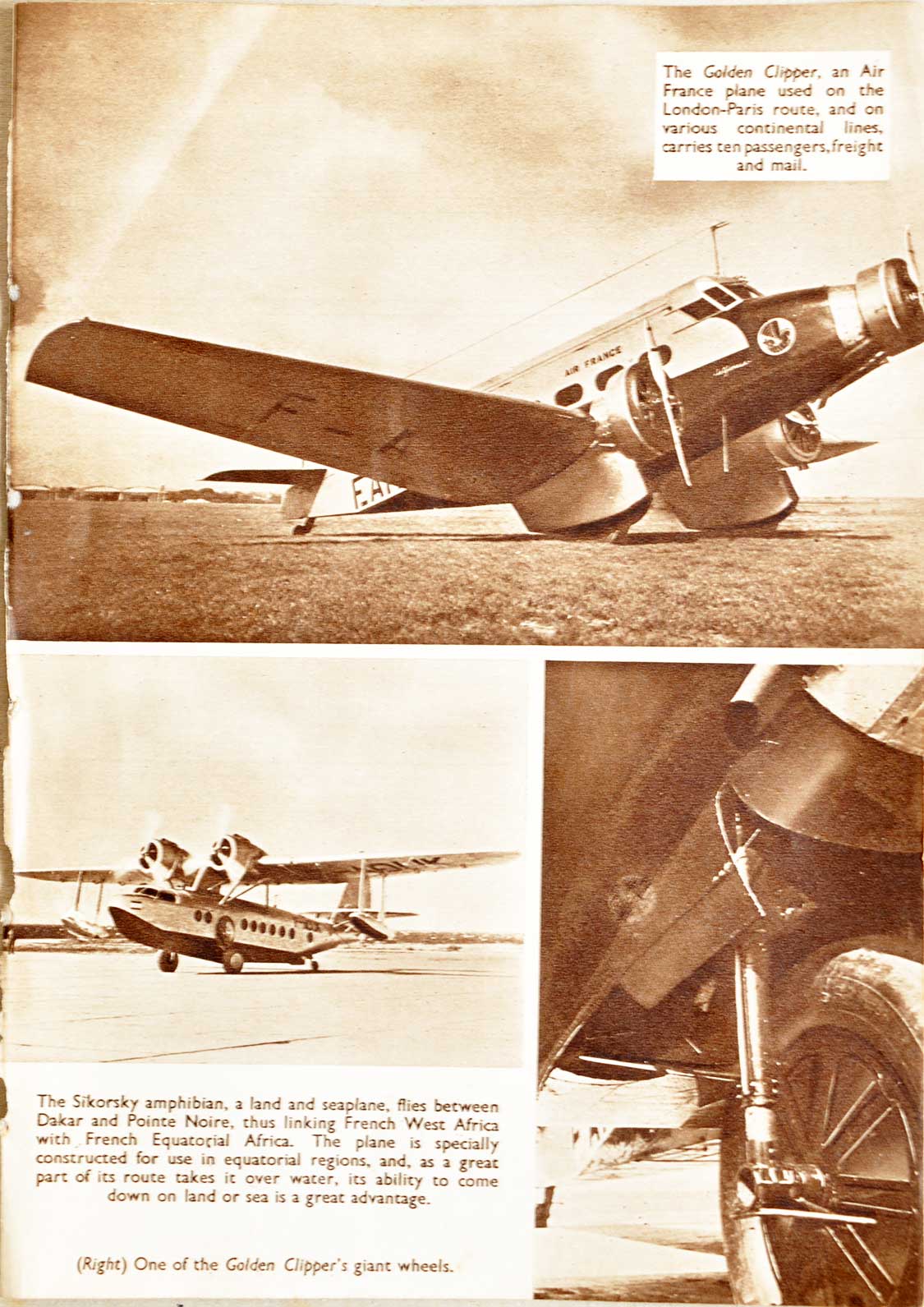
Other pages in the magazine depict a mix of land-based and water-based aircraft operating routes between Europe and Africa. Though flying boats eventually faded from use, they played a crucial role in shaping international air travel and connecting British India to the wider world during a pivotal moment in aviation history.
Did you know – flying boats were far from comfortable due to minimal soundproofing; engine noise inside the cabin was extremely loud, and passengers were often given cotton balls to plug their ears.